

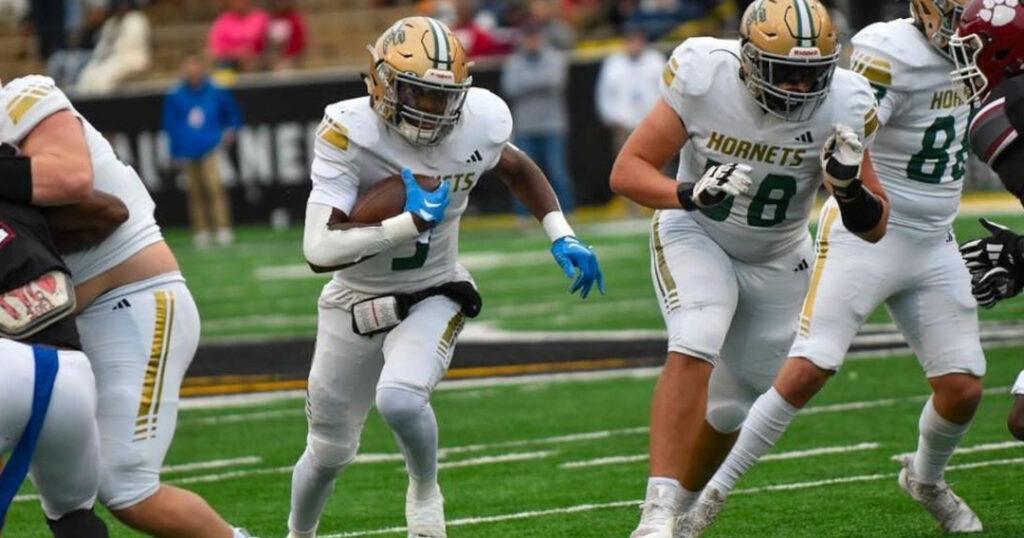
The Ty Keys Miami commitment matters because it is not just another early recruiting win on a spring news cycle; it is a small but telling window into how Miami wants to define itself before the rest of the 2027 class fully takes shape. When a four-star running back from Mississippi chooses the Hurricanes over Florida State and Ole Miss, the story is not merely about one prospect changing a future depth chart. It is about geography, identity, timing, and the way Miami is trying to turn recruiting momentum into something more durable than offseason optimism.
Why The Ty Keys Miami Commitment Deserves A Closer Look
I tend to be cautious with recruiting headlines, especially this far out from a player’s signing window. Early commitments can be meaningful, but they are not final documents. They are signals. Sometimes they reveal where a program has real traction. Sometimes they reveal where a coaching staff has found the right relationship before a recruitment becomes crowded, expensive, and unstable.
That is why the Ty Keys Miami commitment is interesting. Miami did not simply add a player to a future class. It pulled a four-star running back out of Mississippi, away from two programs with obvious regional arguments. Florida State is a direct rival with familiar recruiting leverage. Ole Miss has geography, conference visibility, and a strong in-state pull. Miami winning that kind of recruitment tells me the Hurricanes are still selling something that travels.
The easy interpretation is that Miami landed a talented back. The more useful interpretation is that Miami is again trying to recruit like a national program, not a regional brand hoping nostalgia carries the conversation. There is a difference. The best version of Miami has always had reach. South Florida is the base, but the program’s mythology was never built on staying local. It was built on speed, swagger, development, and the ability to convince elite athletes that Coral Gables was not just a destination, but a stage.
A commitment like this does not prove Miami is back. That phrase has been abused beyond usefulness. What it does suggest is that Miami’s staff understands the modern recruiting map. You cannot simply win your backyard anymore and assume the roster will take care of itself. You have to compete in Alabama, Georgia, Mississippi, Texas, California, and wherever else the right player fits your future structure. The sport has become more national, more fluid, and more transactional. Miami has to be comfortable operating in that environment.
Keys gives the Hurricanes an early marker in the 2027 cycle. More importantly, he gives them a specific kind of recruiting credibility: the ability to go into SEC territory and win a skill-position battle. That kind of win carries a little extra weight because it tests more than evaluation. It tests relationships, persistence, and whether a player believes the program’s future is worth buying into before the class is close to complete.
The Running Back Still Matters More Than Some People Admit
For years, football analysis has treated the running back position as a kind of economic cautionary tale. In the NFL, the position has been devalued financially. In college football, spread offenses and quarterback-centric systems have shifted attention toward receivers, tackles, edge rushers, and defensive backs. The running back can feel almost secondary in modern roster construction.
I understand the logic. I just do not fully buy the overcorrection.
At the college level, a dynamic running back still changes the geometry of an offense. He forces defensive coordinators to respect conflict. He turns ordinary second-and-six situations into manageable drives. He protects young quarterbacks. He makes linebackers hesitate. He makes safeties lie with their alignment. A serious running game gives an offense emotional control, especially when the weather, crowd, or pass protection is working against it.
That is why a player like Keys matters beyond the star rating. Miami has not lacked athletes in recent years, but the program’s larger challenge has been turning talent into weekly offensive identity. The Hurricanes have had stretches where they look physically imposing, followed by stretches where the offense feels disconnected from its own strengths. Recruiting a back with blue-chip credentials does not solve that by itself, but it points toward a belief that Miami wants to keep building around physical balance rather than chase empty explosiveness.
The best college offenses are not simply fast or creative. They are coherent. They know what they want to stress. They know which matchups they are trying to create. They know how one personnel decision affects another. A running back commitment can be part of that coherence if the staff has a clear plan for how the position fits the offense two or three years from now.
That is the part I will be watching. Not the announcement. Not the graphic. Not the social-media reaction. The important question is whether Miami can connect recruiting wins like this to an actual offensive philosophy.
Miami’s Recruiting Strategy Is Becoming Easier To Read
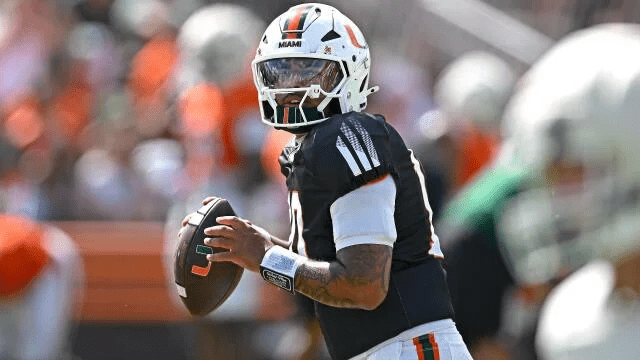
The Hurricanes have been aggressive under Mario Cristobal, and while aggression alone does not win championships, it does tell us something about intent. Miami is not trying to build quietly. It is not behaving like a program content to wait for developmental sleepers while rivals load up on high-ceiling athletes. The staff is pursuing premium talent, taking swings early, and trying to stack commitments that make the class more attractive to the next wave of prospects.
That matters in recruiting because momentum is not just a media invention. It has social value. Players notice who is committing. Families notice whether other respected recruits are buying in. Position groups often recruit one another long before a class is complete. One early commitment can become a reference point for another, especially when the player is regarded nationally.
The Ty Keys recruitment fits that pattern. Miami did not wait for a late-cycle scramble. It identified a target, pushed into a difficult region, and got a public commitment before the broader 2027 board hardened. That is how programs create optionality. With a player like Keys in the fold, Miami can recruit complementary offensive pieces with a more persuasive pitch. A quarterback can see a backfield asset. Offensive linemen can see a staff prioritizing the run game. Receivers can see an offense that may not ask the passing game to carry everything alone.
The modern recruiting calendar rewards programs that move early without becoming careless. There is risk, of course. A 2027 commitment is not the same as a signed letter. The portal, NIL dynamics, coaching changes, depth-chart shifts, and late visits can all reshape a recruitment. But early commitments still matter because they establish the first draft of a class identity.
Miami’s first draft is suggesting something familiar: size, skill, national reach, and a continued attempt to build a roster that looks like it belongs in the upper tier of the ACC and beyond.
Beating Florida State And Ole Miss Carries Symbolic Weight
Recruiting victories are not all equal. Some are about pure evaluation. Some are about position need. Some are about geography. Some are about rivalry optics. This one has a little of everything.
Florida State being in the mix adds immediate significance because Miami and Florida State do not recruit in separate universes. Even when they are not chasing the exact same player, they are often selling against each other. The rivalry is not just a game on the schedule. It is a long-running argument about identity, development, visibility, and the direction of two proud programs trying to reassert national relevance.
Ole Miss brings a different kind of pressure. For a Mississippi prospect, the Rebels can offer proximity, cultural familiarity, SEC competition, and a path that does not require leaving the region. Miami overcoming that speaks to the persuasiveness of the Hurricanes’ pitch. It also says something about how a player views opportunity. Leaving home for Miami is not a casual choice. It requires belief that the football fit, personal relationships, and long-term upside outweigh the comfort of staying closer to familiar ground.
This is where recruiting becomes more than a transaction. NIL matters. Facilities matter. Conference visibility matters. But players still make decisions through a human filter. Who has been consistent? Who has explained the plan? Who has made the family comfortable? Who has shown enough stability to justify trust?
The real currency here is belief. Miami earned enough of it, at least for now, to beat two programs with obvious selling points.
That does not guarantee the Hurricanes will keep Keys through the full cycle. It does, however, put Miami in a position of strength. The staff is no longer chasing from behind. Others now have to flip the conversation.
What This Says About Miami’s Offensive Future
Running back recruiting can reveal how a staff sees itself. Some programs recruit the position as an interchangeable piece. Others treat it as central to the offense’s temperament. Miami, at its best, should lean toward the latter.
The Hurricanes have the brand DNA of explosive perimeter talent, but the program’s more sustainable future probably depends on being more physical than people expect. Miami should want to win with speed, yes. But speed without a run-game spine becomes fragile. It looks impressive until an opponent takes away first reads, pressures the quarterback, and forces the offense to win ugly.
A back like Keys gives Miami another tool for building an offense that can function in multiple modes. The Hurricanes need backs who can hit explosives, but they also need backs who can handle contact, finish runs, protect the passer, and stay on the field when defenses stop giving easy looks. In college football, availability and versatility can matter as much as raw burst.
There is also a recruiting ecosystem around the position. If Miami continues to sign talented backs, it can sell offensive linemen on a real rushing commitment. If the line improves, the passing game benefits. If the offense becomes more balanced, quarterbacks are less exposed. A good running back room does not just produce rushing yards; it changes the burden placed on everyone else.
That is why I view this commitment as part of a broader roster-building conversation. Miami has spent years trying to align talent with expectation. The program has had individual stars, but the gap between recruiting headlines and Saturday consistency has often been too wide. The next step is not merely collecting better players. It is building a roster where the pieces make sense together.
The 2027 Timeline Requires Patience And Perspective
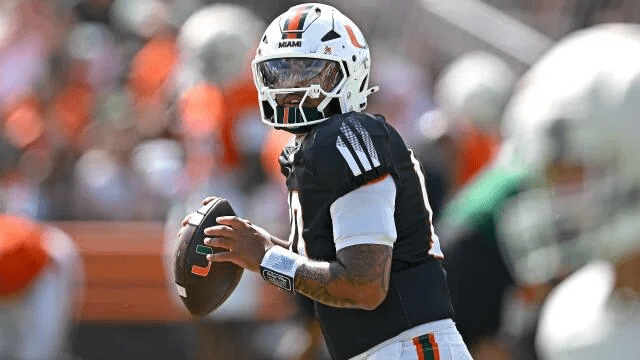
The most difficult part of analyzing a 2027 commitment in 2026 is resisting the urge to treat it as a finished product. It is not. Recruiting has become too volatile for that. An early pledge is a meaningful development, but it remains subject to pressure from time, attention, and competition.
That does not make it hollow. It just means the analysis has to be honest.
A commitment at this stage gives Miami a head start in relationship maintenance. The staff can build around Keys, involve him in peer recruiting, and continue strengthening the bond before official visits and late-cycle pushes intensify. But the same timeline gives other programs plenty of runway to keep recruiting him. No serious staff is going to stop because of a public announcement.
This is where Miami’s work actually becomes more complicated. Winning the commitment is one achievement. Protecting it is another. The Hurricanes must keep proving that the plan presented during recruitment remains credible as the roster changes, the depth chart evolves, and the national landscape shifts.
For Keys, the next two years will be about development, health, exposure, and fit. For Miami, the next two years will be about consistency. If the Hurricanes win, develop players, and show offensive clarity, this commitment becomes easier to hold. If the program becomes unstable or unclear, rivals will use that uncertainty.
That is the unromantic truth of modern recruiting: the announcement is never the end of the recruitment. It is the beginning of a new phase.
The Bigger Recruiting Map Is No Longer Regional
College football used to have stronger geographic boundaries. They were never absolute, but they mattered more. A Mississippi player might be expected to stay in the SEC footprint. A Florida player might be expected to choose among the state powers. A West Coast player might remain connected to the Pac-12 orbit. Those assumptions have weakened.
The portal, national media exposure, expanded playoff access, NIL networks, and year-round recruiting content have created a more open market. Players can imagine themselves anywhere. Programs can recruit almost everywhere. The result is a sport where relationships and brand positioning travel farther than they used to.
Miami benefits from that if it executes properly. The city is distinctive. The school has history. The uniform still carries cultural weight. The program can sell lifestyle, tradition, NFL pathways, and a national stage. But those assets only matter if they are attached to a credible football plan.
The Ty Keys Miami commitment is a useful example of how Miami can compete beyond its immediate recruiting borders. It shows the Hurricanes can enter a recruitment where the regional logic points elsewhere and still win the player’s attention.
That is not a small thing. For Miami to become the version of itself it wants to be, it cannot recruit timidly. It has to win contested recruitments. It has to take players from places where rival programs assume they should have the advantage. It has to make national recruiting feel normal again.
The Opportunity And The Risk
The opportunity is obvious. Miami gets an early commitment from a four-star running back, strengthens its 2027 foundation, and creates a recruiting headline that can help shape perception. The Hurricanes also send a message that their offensive recruiting is not limited to local targets or late-cycle improvisation.
The risk is more subtle. Early commitments can create premature satisfaction. Fans understandably celebrate them, but programs cannot. Miami has to treat this as a checkpoint, not a trophy. A 2027 class will be judged by who signs, who develops, who stays, and who eventually contributes. The staff cannot allow an early win to become a substitute for continued evaluation.
There is also the broader risk of roster congestion. In the portal era, high school recruiting and transfer recruiting must be synchronized. If Miami loads up at running back but later adds transfers, the depth chart can shift quickly. That is not necessarily bad; competition is healthy. But the staff has to be transparent enough to keep young players aligned with the plan.
The best programs manage this tension well. They recruit high school players with long-term conviction while using the portal for precision. They do not let short-term needs undermine long-term relationships. Miami has to keep proving it can operate with that discipline.
For Keys, the opportunity is equally clear. He can enter a program that wants to be physical, visible, and nationally relevant. He can become part of a class that helps define the next stage of Miami’s rebuild. But he will also face the normal pressure attached to blue-chip expectations. The label brings attention. The work decides everything else.
What I Will Watch Next
The next question is not whether Miami can celebrate this commitment. It can. The better question is what happens around it.
I will be watching whether Miami uses Keys as a magnet for other offensive recruits. Does the commitment help with linemen? Does it influence quarterback conversations? Does it give the staff a stronger pitch to receivers who want an offense with balance and credibility? Recruiting is rarely isolated. The value of one commitment often shows up in the movement it creates elsewhere.
I will also be watching how Miami talks about its offensive identity. Programs often recruit skill players with broad promises: touches, space, development, exposure. The best staffs go deeper. They explain usage, personnel packages, protection responsibilities, strength development, and how a player’s role can mature over multiple seasons.
That level of specificity matters. Recruits and families are more sophisticated than ever. They can spot vague salesmanship. They can compare depth charts. They can study offensive tendencies. They can see whether a staff’s words match its Saturdays.
Miami’s challenge is to make the pitch real. If Keys is being recruited as a centerpiece-type back, the program has to show a pathway that makes sense. If he is being recruited as part of a broader rotation, that should be clear too. Honesty is not a recruiting weakness. In the current era, it can be a separator.
The final piece is on-field progress. Nothing stabilizes recruiting like winning games and looking organized while doing it. Miami does not need perfection to validate this commitment, but it does need evidence. Prospects want to believe they are joining a climb, not a cycle of recurring promise.
Why This Commitment Feels Bigger Than One Player
I do not want to overstate a single 2027 recruiting decision. That would be careless. But I also do not want to understate what the best recruiting wins can reveal before they fully materialize.
The Ty Keys commitment tells us Miami is still capable of winning national conversations at a premium offensive position. It tells us the Hurricanes can beat rivals and regional powers when the fit is right. It tells us the staff is trying to build future classes with early conviction rather than waiting for momentum to arrive on its own.
Most of all, it reminds us that Miami’s path back to sustained relevance will not be built on one dramatic moment. It will be built through accumulation: one relationship, one evaluation, one commitment, one retained pledge, one developed player at a time. That process is less glamorous than the old Miami mythology, but it is far more important.
The Hurricanes do not need every recruiting win to become a referendum on the program’s future. They need enough of them to become a pattern.
This one belongs in that conversation because it combines talent, timing, geography, and competitive context. Miami went into a contested recruitment for a four-star Mississippi running back and came out with the commitment. For a program still trying to align ambition with results, that is meaningful.
The next phase will determine how meaningful. If Miami holds Keys, develops the class around him, and continues building an offense with a clear physical identity, this commitment may eventually look like an early marker in a more serious roster-building cycle. If not, it will become another spring headline that aged into trivia.
For now, the Ty Keys Miami commitment gives the Hurricanes something real to build on: a talented player, a recruiting win with symbolic weight, and another chance to prove that Miami’s future is being constructed with intention rather than hope.