

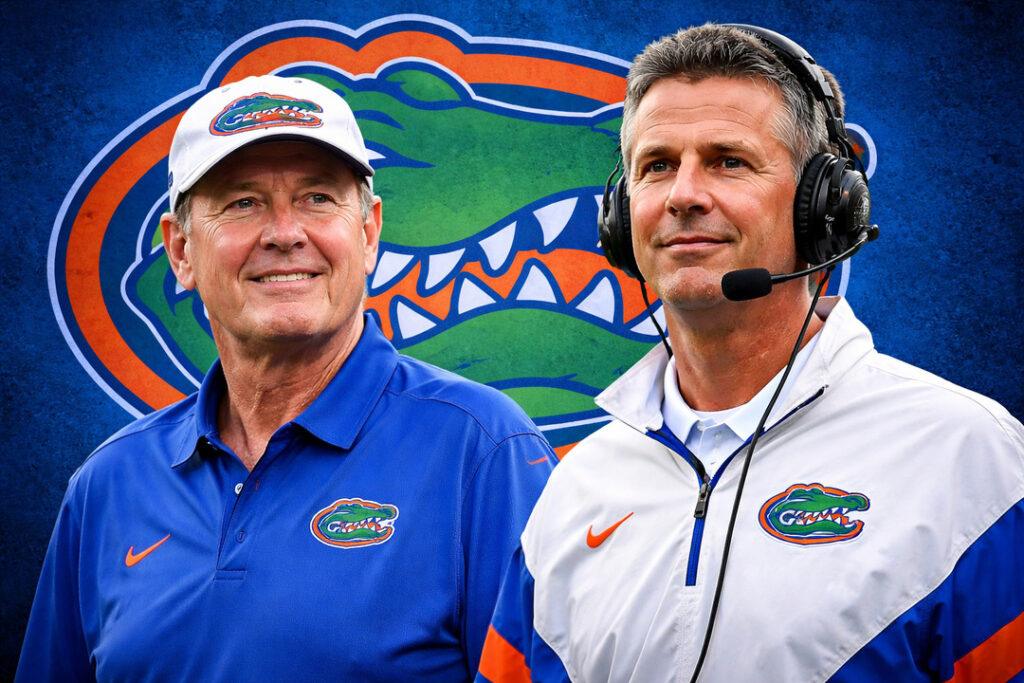
The Florida Gators football program has long been one of the Southeastern Conference’s most compelling stories. Defined by periods of dominance, dramatic transitions, and ongoing attempts to reclaim past glory, the program’s identity is closely tied to its success in SEC Championship runs. From the revolutionary leadership of Steve Spurrier to the modern rebuilding era, each head coach has left a distinct mark on Florida’s pursuit of conference supremacy.
Understanding how these coaches shaped their final SEC Championship runs offers insight into the broader trajectory of the program. It reveals not only how success was achieved but also how quickly it can fade in one of college football’s most competitive environments something Florida’s rivals at Texas football know all too well as they pursue their own glory in the national spotlight.
Steve Spurrier Era: Building a Dynasty and Redefining SEC Football
No discussion of Florida’s SEC success can begin without Steve Spurrier, the architect of the program’s first golden era. Taking over in 1990, Spurrier transformed Florida into a powerhouse with his innovative “Fun ‘n Gun” offense, a system that emphasized aggressive passing at a time when much of the SEC relied on conservative play.
Spurrier led the Gators to six SEC titles during his tenure, establishing a standard of excellence that reshaped expectations in Gainesville. His final SEC Championship run in 2000 was both a culmination of sustained dominance and a symbolic closing chapter. By that point, Florida had become synonymous with offensive innovation and consistent winning.
What made Spurrier’s final run particularly significant was its sense of completeness. He had not only built a dynasty but also maintained it for over a decade. When he departed after the 2001 season, he left behind a program that had reached heights previously unimaginable. However, his exit also marked the beginning of a transition period that would test the program’s ability to sustain success.
Transition and Uncertainty: The Post-Spurrier Adjustment
Following Spurrier’s departure, the Gators faced the challenge of maintaining their elite status without the coach who had defined their identity. The early 2000s were characterized by inconsistency, as Florida struggled to replicate the same level of dominance in the SEC a period that, much like comparing odds on Bookmakers Review, demonstrated how fluctuating leadership and strategies can impact a program’s ability to maintain top-tier performance.
This period highlighted a recurring theme in college football: sustaining success after a legendary coach leaves is often more difficult than building it in the first place. While the program remained competitive, it lacked the defining edge that had made it a perennial SEC contender under Spurrier.
The absence of a clear identity during this phase underscored how much of Florida’s success had been tied to Spurrier’s vision and leadership.
Urban Meyer Era: A Rapid Rise to the Top
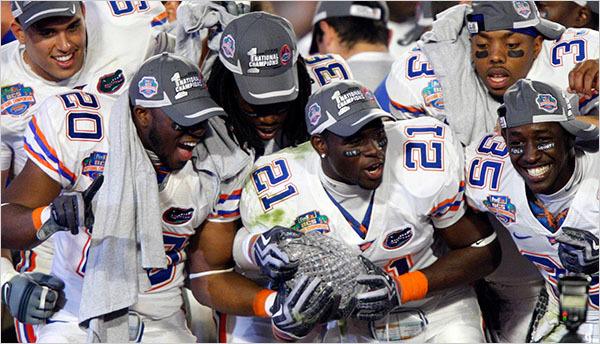
The arrival of Urban Meyer in 2005 signaled a new chapter for the Florida Gators. Meyer brought a modern, high-tempo offensive system combined with disciplined team management. His tenure quickly produced results, culminating in SEC Championships in 2006 and 2008.
Meyer’s approach differed from Spurrier’s in style but matched it in effectiveness. While Spurrier revolutionized passing offenses, Meyer emphasized versatility and physicality, blending a strong running game with efficient passing. His teams were built around elite talent, most notably quarterback Tim Tebow, whose leadership became emblematic of the era.
Meyer’s final SEC Championship run in 2008 represented the peak of his time at Florida. The Gators were dominant, disciplined, and widely regarded as one of the best teams in the nation. However, much like Spurrier’s departure, Meyer’s exit shortly after his period of success marked another turning point.
Unlike Spurrier’s long-term dynasty, Meyer’s tenure was relatively brief but intensely impactful. His ability to achieve rapid success demonstrated how quickly a program could rise with the right leadership, but it also raised questions about sustainability.
Post-Meyer Years: Searching for Stability in the SEC
After Meyer’s departure, Florida entered another period of transition. Several head coaches attempted to restore the program’s position atop the SEC, but none were able to replicate the sustained success of their predecessors.
Will Muschamp, Jim McElwain, and Dan Mullen each brought different philosophies and strategies, yet all faced similar challenges. While there were moments of promise including division titles and strong seasons the program struggled to maintain consistency at the highest level of competition.
This era highlighted the increasing difficulty of competing in the SEC, where programs such as Alabama and Georgia set new benchmarks for excellence. Florida’s inability to secure another SEC Championship during this time underscored the gap between contention and dominance.
At the same time, these years revealed the importance of adaptability. As the landscape of college football evolved, with changes in recruiting, player development, and offensive strategies, Florida found itself needing to redefine its approach once again.
The Modern Rebuild: A Program in Transition
In recent years, the Florida Gators have focused on rebuilding their identity and returning to SEC prominence. The hiring of a new head coach represents another attempt to usher in a fresh era of success, one that can compete with the conference’s elite programs.
This phase is defined by long-term planning rather than immediate results. Recruiting, player development, and cultural alignment have become central priorities. The goal is not only to win but to establish a sustainable model that can produce consistent success over time.
While it is too early to define this era by SEC Championship runs, the foundation being built today will determine whether Florida can once again rise to the top of the conference. The lessons learned from previous coaching tenures both their successes and shortcomings play a crucial role in shaping this effort.
Comparing Coaching Legacies: Different Paths to SEC Success
Examining the coaching history of the Florida Gators reveals distinct approaches to achieving SEC success. Spurrier’s era was defined by innovation and long-term dominance, while Meyer’s tenure showcased rapid achievement and peak performance. In contrast, the post-Meyer years illustrate the challenges of maintaining consistency in an increasingly competitive environment.
Each coach’s final SEC Championship run reflects not only their individual philosophy but also the broader context of college football at the time. Changes in competition, recruiting dynamics, and strategic trends all influenced the outcomes.
This comparison underscores a key takeaway: there is no single formula for success in the SEC. However, sustained excellence requires a combination of strong leadership, adaptability, and a clear program identity.
The Road Ahead: Can Florida Return to SEC Dominance?
The question facing the Florida Gators today is whether they can once again become a dominant force in the SEC. While the program’s history demonstrates that success is achievable, it also highlights the challenges of sustaining it.
The path forward will depend on the ability of current leadership to build a cohesive and competitive team. This includes not only on-field performance but also the development of a culture that fosters resilience and continuous improvement.
As the SEC continues to evolve, Florida must find ways to differentiate itself while staying competitive with the conference’s top programs. Whether through innovative strategies, strong recruiting, or effective player development, the next great SEC Championship run will require a comprehensive approach.
A Legacy of Excellence and Evolution
The history of Florida Gators coaches and their final SEC Championship runs offers a compelling narrative of rise, dominance, decline, and renewal. From Steve Spurrier’s groundbreaking dynasty to Urban Meyer’s explosive success and the ongoing efforts to rebuild, each era has contributed to the program’s identity.
These stories serve as a reminder that success in college football is both cyclical and hard-earned. While the Gators have experienced periods of unparalleled achievement, they have also faced challenges that test their resilience.
As the program looks to the future, the lessons of the past remain invaluable. The next chapter in Florida’s SEC journey has yet to be written, but its foundation is rooted in a legacy that continues to inspire players, coaches, and fans alike.