

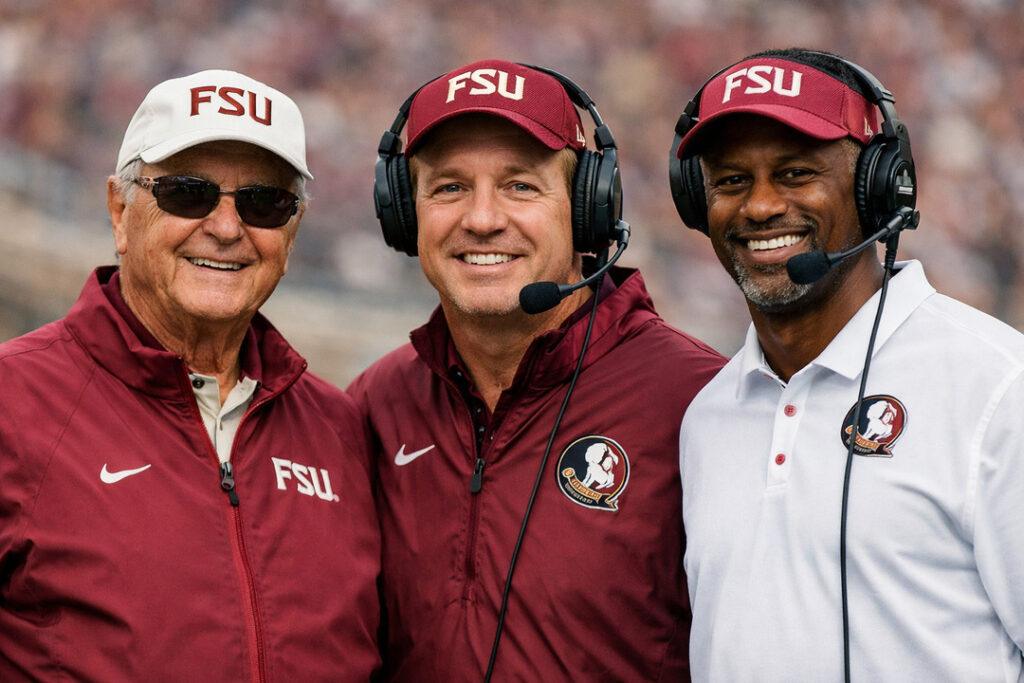
If you want to understand why Florida State remains one of college football’s most respected programs, don’t start with the players start with the coaches. Few teams in the sport can trace nearly all of their success back to just a handful of leaders. That’s exactly the case with the Florida State Seminoles football.
From my perspective covering college football history, Florida State Seminoles championships are less about eras and more about leadership. Two names more than any others built the program’s identity, defined its dominance, and continue to shape expectations today.
Background / Why It Matters
Florida State wasn’t always a powerhouse. Before the late 20th century, the program lacked the national recognition it enjoys today. What changed wasn’t geography, recruiting luck, or conference alignment it was coaching vision.
The transformation began under Bobby Bowden, who turned Florida State into a national contender. His success wasn’t just measured in wins, but in consistency. Year after year, his teams competed at the highest level, establishing a culture that would define the program for decades.
Understanding Florida State Seminoles championships means understanding how leadership created sustained excellence. It also explains why, even during down years, the expectation in Tallahassee never disappears philately for students.
Key Developments
The story of Florida State’s championships unfolds across four distinct coaching eras, each contributing differently to the program’s identity.
The Bobby Bowden Dynasty
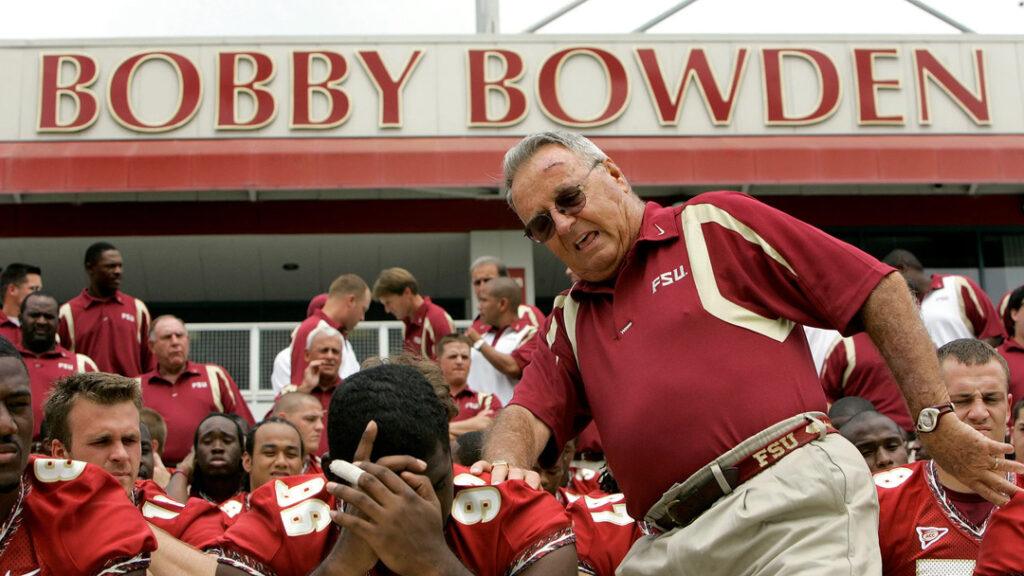
When I look back at the rise of Florida State, it’s impossible to overstate Bowden’s impact. He didn’t just win he built one of the most dominant dynasties college football has ever seen.
Under Bowden:
- Florida State won two national championships (1993, 1999)
- Captured 12 ACC titles, including nine straight after joining the conference
- Achieved an unprecedented run of 14 consecutive top-five finishes
This was the era that made Florida State a national brand. Bowden’s teams were defined by speed, discipline, and an ability to perform under pressure.
Jimbo Fisher’s Modern Championship Run

After Bowden, many wondered if Florida State could sustain that level of success. Jimbo Fisher answered that question decisively.
In 2013, Fisher led the Seminoles to a national championship victory over Auburn, powered by quarterback Jameis Winston. That season wasn’t just successful it was dominant, with Florida State overwhelming opponents week after week.
Fisher added:
- 1 national title (2013)
- 3 ACC championships (2012–2014)
What stood out to me during this era was how Florida State adapted to modern college football. Recruiting intensified, offenses evolved, and the program proved it could still compete at the highest level.
The Transitional Years Under Willie Taggart
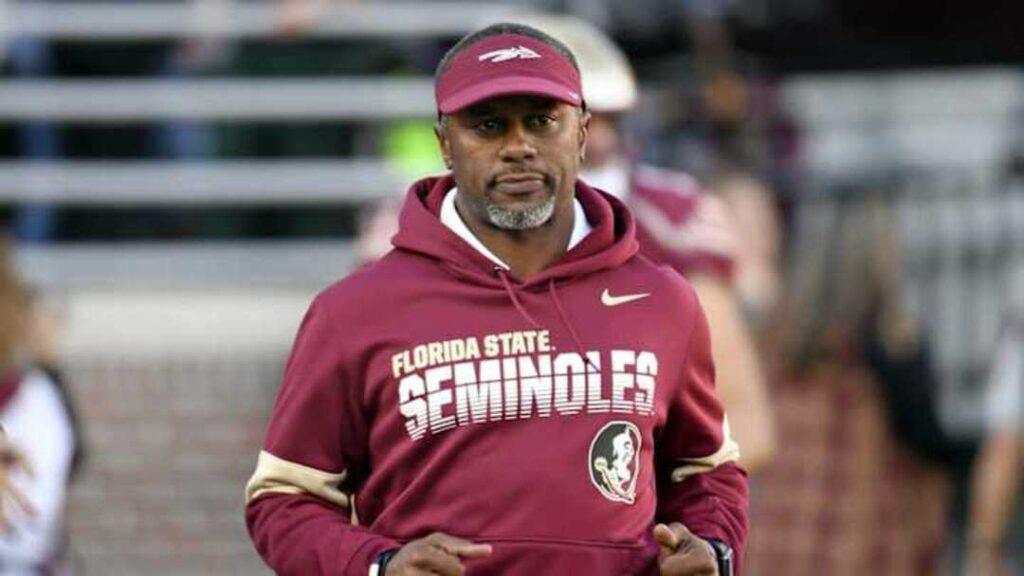
The brief tenure of Willie Taggart marked a departure from the program’s championship trajectory. While his time didn’t produce titles, it highlighted how fragile sustained success can be.
Florida State Seminoles championships had set a standard and anything less was immediately noticeable.
This period underscored a key truth: elite programs depend on stability at the top.
Mike Norvell and the Rebuild
Today, under Mike Norvell, Florida State is working toward reclaiming its place among the elite.
From what I’ve observed, Norvell’s approach is methodical. He’s leveraging modern tools like the transfer portal, focusing on player development, and rebuilding depth across the roster.
While championships haven’t yet returned, there’s a sense that the foundation is being reset. And in a program with this history, that matters.
Expert Insight or Industry Impact
What makes Florida State unique is how concentrated its success has been. Unlike programs that cycle through multiple championship-winning coaches, Florida State’s legacy rests heavily on two figures.
That concentration amplifies both the highs and the pressure.
Analysts often point out that programs like Florida State operate with what’s known as “championship memory.” Fans, boosters, and players remember what winning looks like and expect it to return.
This creates a different kind of environment. Every coaching decision is measured not just against competitors, but against history.
From a broader industry perspective, Florida State serves as a case study in how leadership defines program identity. The right coach can elevate a team into a dynasty. The wrong fit can quickly reverse that momentum.
Analysis / Future Outlook
Looking ahead, the question isn’t whether Florida State can win again it’s when.
The ingredients are there:
- Strong recruiting pipelines
- National brand recognition
- A history that still resonates with players
But college football has changed. NIL deals, transfer portal dynamics, and playoff expansion have reshaped the competitive landscape.
For Florida State, the challenge is aligning its historical strengths with modern realities.
In my view, the next championship will depend on whether the program can once again find a coach who combines vision with execution someone capable of doing what Bowden and Fisher did in their respective eras.
Norvell’s progress suggests that possibility is real, but not guaranteed.
Conclusion
Florida State’s championship history isn’t just a list of titles it’s a story of leadership, identity, and expectation.
From Bobby Bowden’s dynasty to Jimbo Fisher’s modern triumph, Florida State Seminoles championships have always been driven by coaching excellence.
That legacy still defines the program today.
And as I look at where Florida State stands now, one thing is clear:
The past isn’t just remembered in Tallahassee it’s the standard the future must meet.