

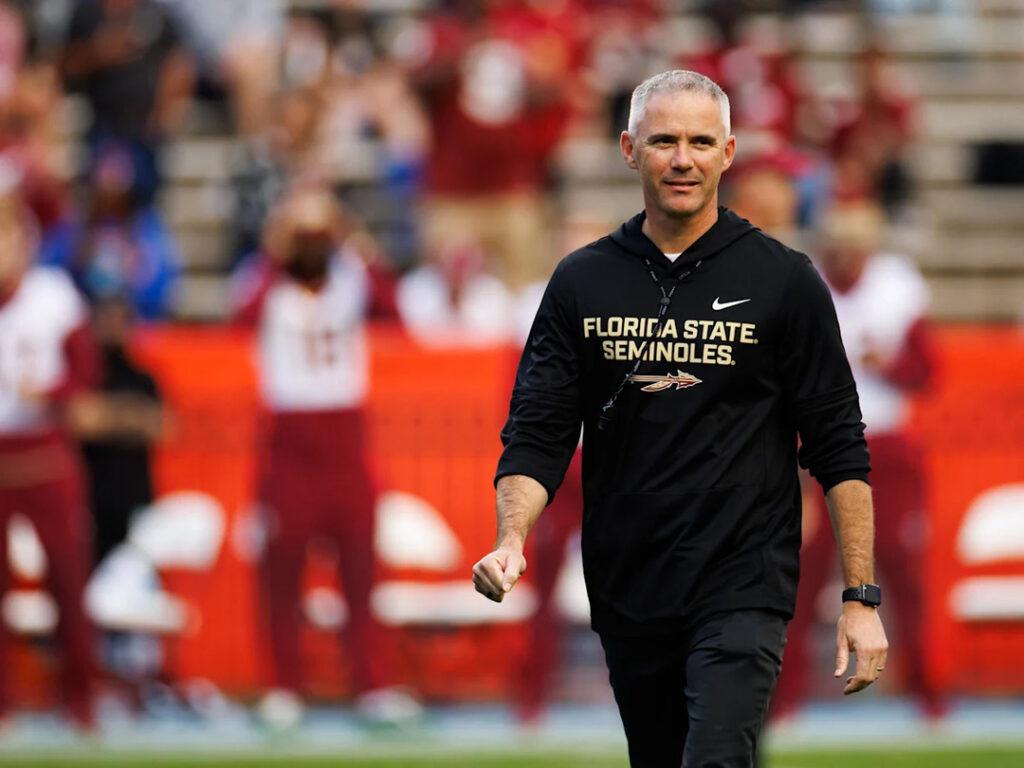
For decades, the Florida State Seminoles football program has been one of the most recognizable names in college football. From national championships to legendary players, the Seminoles have built a tradition that few programs can match.
However, recent seasons have brought challenges that have raised questions about the program’s direction. After experiencing a disappointing campaign that fell short of expectations, Florida State now enters the 2026 season facing significant pressure to rebound.
Fans, analysts, and former players are all asking the same question: can the Seminoles return to national relevance and compete once again for championships?
The answer will depend on several factors, including leadership, roster development, recruiting success, and the ability to adapt to the rapidly evolving landscape of college football.
Evaluating the Previous Season’s Struggles
Before looking ahead, it is important to understand what went wrong during the Seminoles’ previous season. Expectations were high, but the team struggled to maintain consistency throughout the year.
Several factors contributed to the disappointing outcome. Injuries to key players disrupted offensive and defensive continuity, while difficult matchups against strong conference opponents exposed weaknesses in certain areas of the roster.
Competing in the Atlantic Coast Conference is never easy, as the conference features several programs capable of competing at a national level. When Florida State faced teams with deeper rosters and strong defensive units, the Seminoles occasionally struggled to maintain offensive momentum.
These challenges highlighted areas where improvement is necessary if the program hopes to return to championship contention.
Leadership Under Head Coach Mike Norvell
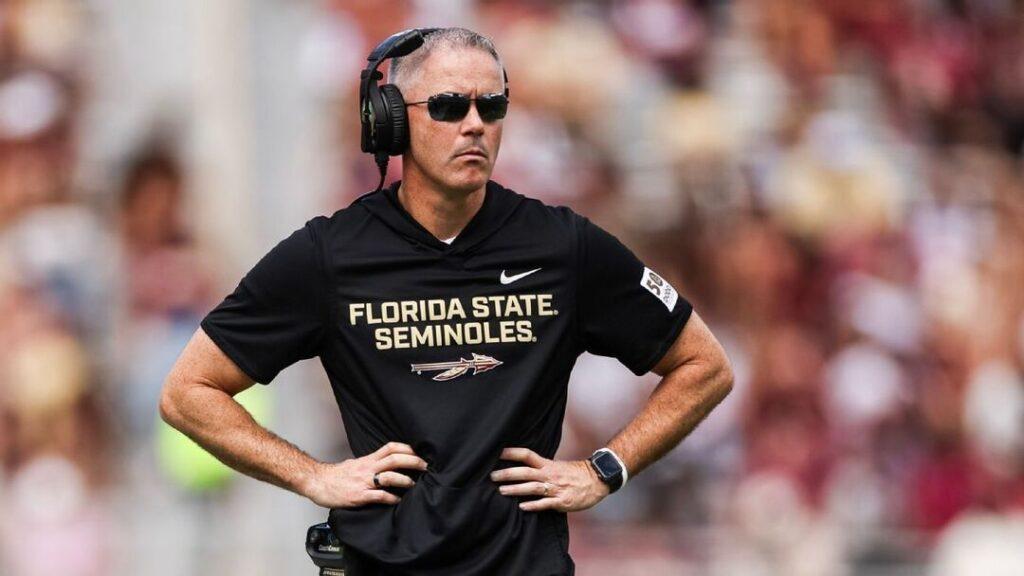
One of the central figures in Florida State’s rebuilding effort is head coach Mike Norvell. Since taking over the program, Norvell has focused on restoring stability and building a roster capable of competing at the highest level.
Norvell’s approach emphasizes discipline, player development, and recruiting. While progress has been made in certain areas, the upcoming season may represent a defining moment in his tenure.
Supporters argue that Norvell has laid the foundation for long-term success by strengthening the program’s culture and improving recruiting efforts. Critics, however, point to inconsistent on-field results as evidence that further progress is needed.
Ultimately, the 2026 season will provide an important opportunity for the coaching staff to demonstrate that their strategy is producing measurable results.
Key Roster Changes and Player Development
Another major storyline heading into the new season involves the Seminoles’ roster. College football rosters change rapidly due to graduation, transfers, and new recruits, and Florida State is no exception.
Several experienced players from previous seasons have moved on, creating opportunities for younger athletes to step into larger roles. For teams attempting to rebound from a difficult year, the development of emerging talent often becomes a critical factor.
Quarterback performance will likely play a significant role in determining Florida State’s success. In modern college football, teams with consistent quarterback play often have a competitive advantage.
Defensively, the Seminoles must also improve their ability to stop explosive plays and maintain pressure on opposing quarterbacks. Strengthening the defensive front could help the team regain the physical identity that once defined Florida State football.
Recruiting and the Future of the Program
Recruiting remains one of the most important aspects of building a successful college football program. Florida State has historically thrived by attracting top high school talent from across the country, particularly from the talent-rich state of Florida global youth football academies.
In recent recruiting cycles, the Seminoles have worked aggressively to strengthen relationships with high school programs and secure commitments from elite prospects. Strong recruiting classes can provide depth and athleticism, both of which are essential for competing with national powerhouses.
Florida State must also compete with regional rivals such as the Miami Hurricanes football and the Florida Gators football, both of which are also pursuing the same pool of talented recruits.
Winning recruiting battles within the state could play a major role in determining which program ultimately emerges as the dominant force in Florida college football.
The Impact of the Transfer Portal
Another factor shaping Florida State’s roster is the growing influence of the NCAA transfer portal. This system allows players to transfer between programs more easily than in the past, creating both challenges and opportunities for coaching staffs.
For Florida State, the transfer portal provides a way to quickly address roster gaps by adding experienced players from other programs. At the same time, maintaining roster stability requires convincing current players to remain committed to the team.
Successfully navigating the transfer portal has become an essential skill for modern college football programs, and Florida State’s ability to recruit both high school athletes and transfers will play a key role in its rebuilding effort.
Schedule Challenges in the ACC
The Seminoles’ path to a rebound season will not be easy. The ACC continues to feature several strong programs capable of competing for conference titles.
Games against traditional rivals and conference contenders will test Florida State’s progress throughout the season. Rivalry matchups often bring heightened intensity and can influence recruiting, fan engagement, and national perception.
Strong performances in these games could help restore confidence among fans and demonstrate that the Seminoles are moving back toward the level of success they once enjoyed.
The Importance of Fan Support and Tradition
One advantage Florida State possesses is its passionate fan base. Doak Campbell Stadium remains one of the most iconic venues in college football, and the energy generated by fans can provide a significant boost to the team.
The program’s tradition also continues to resonate with recruits and players. Florida State’s history includes multiple national championships, legendary coaches, and numerous athletes who have gone on to successful professional careers.
These elements serve as reminders of what the program is capable of achieving when all the pieces come together.
Outlook for the 2026 Season
Predicting the outcome of any college football season is difficult, especially for teams undergoing transition. However, several indicators suggest that Florida State has the potential to improve in 2026.
If the Seminoles can develop greater consistency on offense, strengthen their defensive performance, and continue attracting talented recruits, the program could take meaningful steps toward returning to national prominence.
The combination of experienced leadership, emerging players, and a strong recruiting foundation gives Florida State a path forward.
Final Thoughts
The upcoming season represents a pivotal moment for Florida State football. After a disappointing year, the Seminoles are determined to prove that they remain capable of competing at the highest level of college football.
Head coach Mike Norvell’s leadership, roster development, recruiting success, and the effective use of the transfer portal will all play important roles in shaping the program’s future.
While the road back to national prominence may not be easy, Florida State’s history, resources, and talent base provide reason for optimism. If the Seminoles can build on these strengths and address the weaknesses revealed during the previous season, the 2026 campaign could mark the beginning of a new chapter in the program’s storied legacy.