

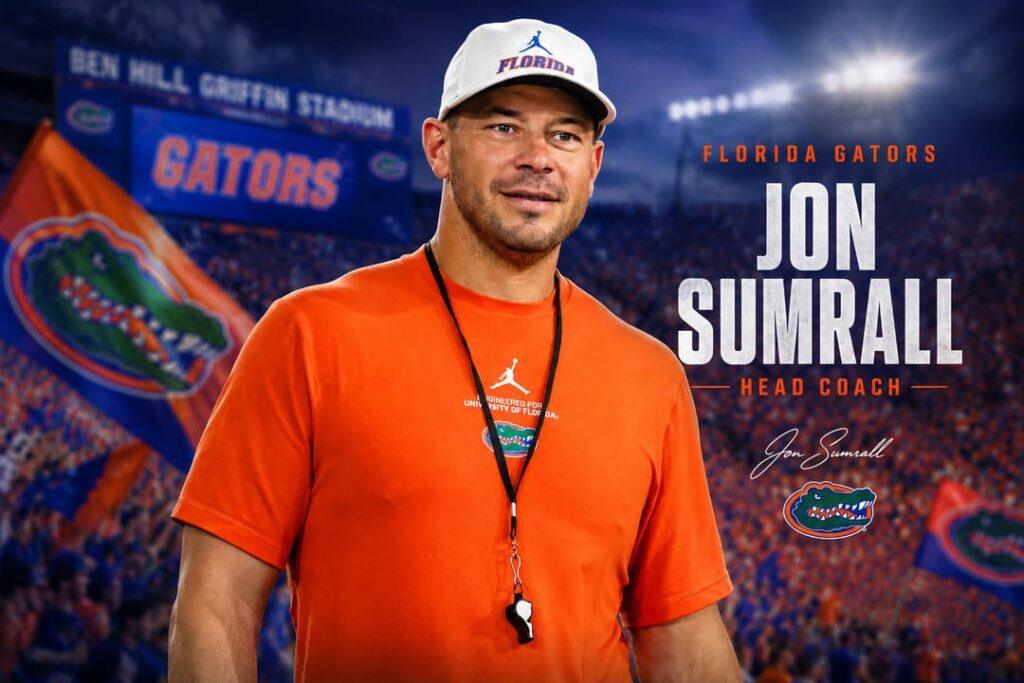
The first Jon Sumrall Florida season is already being framed before the Gators play a meaningful snap. That is the fascinating part: Florida is not merely preparing for a coaching debut; it is trying to sell a reset, rebuild belief, and make fans feel momentum before the scoreboard can confirm any of it.
That makes this offseason more revealing than a typical new-coach runway. Florida has to convince people that Sumrall’s arrival is more than a press-conference win, while the Gators’ schedule, roster decisions, and public-facing energy all become early clues about whether the program is actually changing.
The Jon Sumrall Florida Season Is Already a Trust Test
A first-year coach at Florida does not get the luxury of quiet development. The job comes with noise, expectation, history, and a fan base that can recognize the difference between real traction and carefully packaged optimism.
Sumrall enters with a program-builder profile, and Florida has every reason to push that narrative. His résumé gives the Gators a clean message: energy, toughness, turnaround experience, and SEC familiarity. The school’s own Jon Sumrall coaching profile gives fans the broad outline of why Florida made the move.
But the more interesting question is not why Sumrall was hired. It is whether Florida can make the hire feel believable before the first season starts exposing weak spots. New-coach energy can fade quickly if the team looks disorganized, thin, or emotionally flat once real games begin.
That is why this offseason matters. The Gators are not only installing systems. They are asking fans to believe the tone has changed. That creates early credibility pressure before kickoff ever arrives.
Florida Is Selling Belief Before It Can Sell Results
Every major program markets a new era. Florida’s challenge is that its marketing has to carry more weight because the SEC leaves very little room for slow introductions.
The Gators can promote access, spring energy, game themes, roster additions, and home-field atmosphere. All of that matters. A major college football program has to keep fans engaged during the months when there are no games, especially when a new coach is trying to establish urgency.
Still, selling belief is not the same as proving it. That is where Florida’s 2026 buildup gets interesting. The program is trying to create momentum through visibility: more attention around spring work, more structure around the home schedule, and more reason for fans to feel that a reset is already in motion.
The risk is obvious. If the sales pitch gets too far ahead of the product, the first rough stretch can feel harsher than it otherwise would. Fans can forgive growing pains when they see a clear identity. They are less patient when the offseason promised a personality shift and the team looks familiar in the wrong ways.
That is the thin line Sumrall has to walk. He needs energy, but not empty hype. He needs confidence, but not noise that writes checks the roster cannot cash.
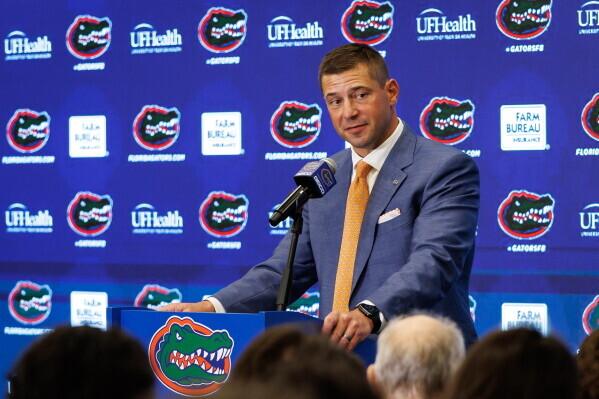
The Swamp Has to Become Part of the Rebuild
Florida’s home environment is one of the program’s biggest assets, and it needs to function like one in Sumrall’s first season. The Swamp cannot simply be a nostalgic backdrop. It has to become a competitive advantage again.
The Gators’ 2026 home game designations give Florida a clear fan-engagement runway, with themed weekends and major home dates built into the calendar. That kind of planning is not just about ticket sales. It is about making the season feel like an event before the results arrive.
For a new coach, that matters. A loud home crowd can help reinforce the idea that the program has turned a page. A flat home atmosphere can do the opposite, especially in a league where every perception battle matters.
Florida’s home schedule gives Sumrall a stage, but the team still has to earn the crowd’s emotional investment. That means playing with visible structure, physicality, and discipline. Fans do not need perfection right away. They need proof that Saturdays feel different.
Here is the clearest way to understand the pressure points around Florida’s first season under Sumrall:
| Pressure Point | Why It Matters | What Would Build Belief |
|---|---|---|
| Home-field energy | The Swamp must feel central to the reset | Strong attendance and a sharper game-day atmosphere |
| Roster urgency | Late additions show the staff is still fixing weak spots | Better depth and fewer obvious matchup problems |
| Coaching identity | Fans need to see what Sumrall’s program is supposed to be | Physical, organized, disciplined football |
| SEC schedule reality | Florida cannot hide from weekly pressure | Competitive performances against stronger opponents |
| Recruiting message | New-coach momentum must reach future classes | Clear signs that prospects believe in the direction |
The takeaway is simple: Florida’s rebuild cannot live only in slogans. It has to show up in how the team looks, how the stadium feels, and how quickly the staff addresses roster problems.
Late Roster Moves Reveal the Staff’s Urgency
One of the most telling parts of any coaching transition is how the staff treats roster depth after spring. By then, coaches have seen enough practice reps to know where the team is comfortable and where it may be exposed.
That is why Florida’s secondary movement matters. A late defensive back addition is not just a transaction; it is a signal that the staff understands the margin for error in the SEC. When a team keeps searching for help after spring, it often means the staff is refusing to pretend the roster is complete.
That is not a bad thing. In fact, it can be healthy. The transfer and junior-college market has turned college football into a year-round roster audit. Programs that stop evaluating themselves too early risk carrying problems into September.
Florida’s recent cornerback addition fits into that broader picture, especially for readers tracking how the Gators secondary depth could shape the staff’s defensive flexibility. A new coach does not need every late addition to become a star. He needs enough of them to raise competition and reduce emergency situations.
That is the practical side of the rebuild. The public sees the headline. The staff sees the snap counts, matchup concerns, special-teams needs, and injuries that can tilt a season. In that context, late roster work becomes a serious roster signal rather than filler news.
Sumrall’s Biggest Challenge Is Turning Energy Into Identity
The easiest thing for a new coach to change is tone. The hardest thing to change is identity.
Florida fans will hear plenty about intensity, culture, standards, and accountability. Those words matter only if they become visible. Does the offensive line play with better leverage? Does the defense tackle cleaner? Does the team avoid self-inflicted mistakes? Does the sideline look composed when momentum turns?
That is where Sumrall’s debut season will be judged beyond the record. A rebuilding team can lose games and still look like it is moving toward something. It can also win enough to survive and still leave doubts about where it is headed.
Florida needs the first version. The Gators need a team that makes sense, even when it is imperfect. They need to show a defined football identity early enough for fans and recruits to see the direction.
This is also where the coaching staff’s communication matters. If the message is all emotion and no substance, it will wear thin. If the message connects to personnel decisions, playing style, and week-to-week improvement, it becomes easier to believe.
The First Real Signals Will Come Before the Rivalry Spotlight
The Florida-Florida State game will always pull attention, but Sumrall’s first season will start revealing itself long before rivalry week. The first signals will be smaller and more useful: how Florida opens games, whether the defense limits explosive mistakes, whether the offense has a clear personality, and whether the staff finds answers when the first plan fails.
The second signal will be fan patience. If Florida looks tougher and more organized, the crowd will likely give Sumrall room to build. If the Gators look messy while the preseason messaging keeps leaning on optimism, frustration will arrive quickly.
The third signal is recruiting traction. New coaches often get a short window where belief can run ahead of proof. Sumrall has to use that window well. The more Florida looks like a program with direction, the easier it becomes to sell the next class on joining before the climb is complete.
That is the real story of the Jon Sumrall Florida season. It is not just a debut. It is a race between perception and proof. Florida has already started selling the new era, and that is understandable. The opportunity is real. So is the risk. If Sumrall turns the early energy into visible identity, the Gators can make 2026 feel like the beginning of a serious rebuild. If not, the offseason pitch will only make the first cracks louder.