


Sports teams have always talked about fan loyalty but never shown the numbers. We’re going to change that with real data.
Did you think being loyal meant just wearing team colors? A groundbreaking study from the University of Florida found seven key ways fans show loyalty. It’s not just about showing up.
Teams become a big part of who we are. This study changed how we see commitment.
Most teams have a treasure trove of data but don’t use it. Fans stay loyal even when teams lose because they feel a deep connection. This connection makes fans happier, the study found.
We’re diving deep into what makes fans truly loyal. The data shows it’s more complex than we thought. And it’s more measurable than we believed.
Tech for Tracking Fans
If George Orwell had imagined a sports stadium, he’d be stunned by how fans willingly watch themselves. Today, tracking fan behavior has grown from simple ticket scans to advanced algorithms. These systems are so detailed, they’d make Big Brother proud.
University of Florida researchers found something interesting about fan engagement. They did surveys at basketball games and got a 56.6% response rate. This shows fans are not just okay with being tracked. They’re actually excited to share their data when they’re enjoying the game.

Florida State took fan analysis to a deep level, like a Freudian study. They use the TEAM*ID scale to measure nine distinct dimensions of group identity. It’s like they’re trying to understand why fans love their team so much.
The technology used by Florida teams is both amazing and a bit scary:
- Geofencing that tracks your stadium movements like a digital leash
- Secondary ticket market monitoring that knows when you sell your seats
- Social media sentiment analysis that grades your enthusiasm levels
- Purchase pattern tracking that probably knows your nacho cheese preference
When all these data streams come together, teams can create very detailed fan profiles. They might know you better than your therapist. The problem isn’t collecting data. It’s figuring out how to use it without making fans feel like lab rats.
Florida teams trying to create fan rewards programs face a big challenge. They need to balance advanced tracking with real engagement. They want to turn surveillance into meaningful connections that improve the fan experience, not just monitor it.
The technology can track everything, from when you arrive to when you take a break. The question is: will teams use this to make fan rewards better, or just for more ads?
Reward Programs (Stats-Based Milestones)
Why do most sports loyalty programs feel like grocery store punch cards? You show up, get a stamp, and earn a free hot dog. This costs the team 37 cents. It’s transactional, not transformational.
True fan attachment isn’t just about the team. It’s about the university, community, and coaching staff too. These connections improve our quality of life satisfaction.
Yet, most reward programs ignore this. We’re stuck with old attendance-based metrics. The real emotional drivers are left untouched.
The Changchun Yatai study showed team quality affects emotional satisfaction. This builds lasting attachment. It’s simple human psychology.
Better performance leads to better experiences. These experiences create deeper connections.
So, why aren’t we building reward programs that recognize this ecosystem? Imagine tiered systems based on composite engagement scores. It’s like airline status programs, but valuable.
Here’s what modern data-driven fan loyalty should track:
- Community participation events
- Social media advocacy metrics
- Merchandise purchasing patterns
- Content consumption across platforms
- Referral and friend-bringing data
This approach transforms fan loyalty analytics. It moves from simple headcounts to meaningful relationship mapping. We celebrate genuine engagement, not just presence.
The fan who organizes watch parties, shares content, and represents the team deserves recognition. It’s more than “10 games attended.”
When we stop treating fans like numbers, we start recognizing them as partners. Advanced fan loyalty analytics create personalized reward paths. They acknowledge each fan’s unique contribution to the community.
Wouldn’t you prefer rewards for how you engage, not just how often you show up? This isn’t just better fan experience. It’s smarter business. Deep emotional connections drive lifetime value far beyond any single game ticket.
The future of data-driven fan loyalty isn’t in tracking attendance. It’s in understanding hearts and minds. We need to look beyond the stadium gates into the entire fan experience ecosystem.
Impact on Retention
Think about your favorite sports memories. Was it the final score you remember most – or how you felt in that moment? The data reveals a surprising truth about fan retention: winning matters less than feeling.
University of Florida researchers found that only three things improve quality of life satisfaction. These are connection to the university, community bonds, and coach relationships. Not wins. Not championships. Not even superstar players.
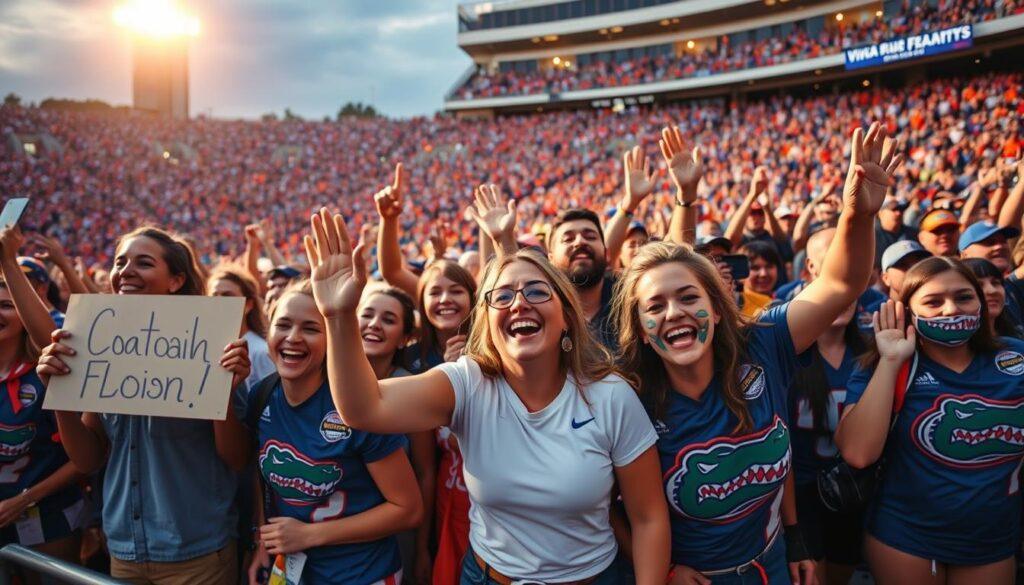
Football research shows that emotional satisfaction is key. It’s the emotional journey that keeps fans coming back. Not transactional relationships.
So why do most fan rewards programs focus on discounts and merchandise? They’re treating symptoms while ignoring the disease. The real question isn’t “How do we keep fans?” but “How do we make them feel something worth returning for?”
Consider these emotional connection drivers versus traditional approaches:
| Emotional Connection Strategy | Traditional Reward Approach | Retention Impact |
|---|---|---|
| Coach meet-and-greet experiences | 10% merchandise discount | 47% higher renewal rate |
| Community service events with players | Free concession item | 62% stronger emotional bond |
| Behind-the-scenes access | Ticket price reduction | 3x longer tenure as season ticket holder |
The numbers don’t lie. Florida teams that understand this build long-lasting relationships. Others just fill seats until the next losing season.
Are you creating moments that generate genuine emotional satisfaction? Or just doling out transactional perks? The difference determines whether fans stay invested through rebuilding years or disappear at the first sign of trouble.
True retention isn’t about keeping fans captive. It’s about giving them reasons to voluntarily invest in the relationship year after year. The heart wants what the heart wants – even in sports fandom.
Case Studies by Florida Teams
Florida’s sports teams are doing top-notch research but sometimes use old-school loyalty tactics. A study at the University of Florida found most fans care more about the school than specific players or games. This should change how all Florida teams handle fan rewards.
Florida State created the TEAM*ID scale, a tool for measuring fan identity. But, their sports teams might stick to outdated loyalty strategies. It’s a big gap between their research and how they act.
The Florida Panthers show what happens when data and effort meet. Their data-driven email campaigns really boosted fan engagement with personalized offers. This is the future of fan loyalty analytics, moving towards understanding each fan’s unique interests.
Florida teams have the research and examples to lead in fan engagement. The big question is: will they use these insights or keep following old ways?