

Remember when watching football was simple? Those days are as gone as the wishbone offense.
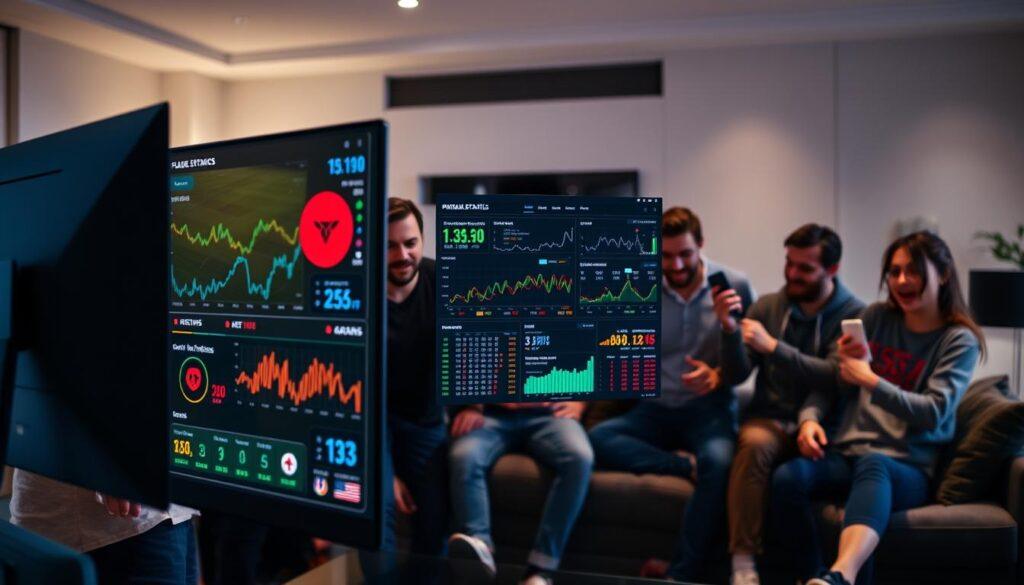
Now, platforms give us more numbers than a Wall Street ticker. We see real-time NFL betting shifts that move quicker than a cornerback’s backpedal. Player performance metrics are so detailed, they’d make a Florida Gators coach blush.
It’s like having a Bloomberg terminal for sports. Every completion percentage, every defensive stop gets quantified and analyzed. The modern viewer doesn’t just watch the game – they dissect it.
This new era of streaming football stats turns passive viewing into active intelligence. Data isn’t background noise anymore – it’s the main event.
Viewer Stats
Remember when we counted viewers during commercials? Those days are gone. Now, streaming data shows us how fans really feel. It’s like a deep dive into their minds, something Freud and Nate Silver would love.
Take Florida Gators fans as an example. They’re not just watching; they’re studying every detail. When an interception happens, you can feel the tension across Florida.
Today’s fans are always on, not just during games. They check injury reports and analyze stats like weather. It’s like they’re preparing for a big test.
This isn’t just loyalty; it’s informed obsession. Every number tells a story. Fans are now part of the action, not just watching.
So, what does this mean for creators? Viewers are now co-creators. They make their own spreadsheets and join debates. The fan and analyst roles have merged.
We love this crazy, mixed-up world. When Florida fans can predict a quarterback’s stats in different weather, it’s poetry. It’s data turned into art.
Personalization Engines
Imagine having a personal scout in your pocket that’s also a supercomputer – that’s modern personalization at work. These engines don’t just guess what you might like. They know what you’ll want to watch next.
Streaming platforms analyze your every move. They track which games you watch completely versus which you abandon at halftime. They notice if you rewatch specific plays or skip through commercials. This data creates a digital fingerprint of your fandom.
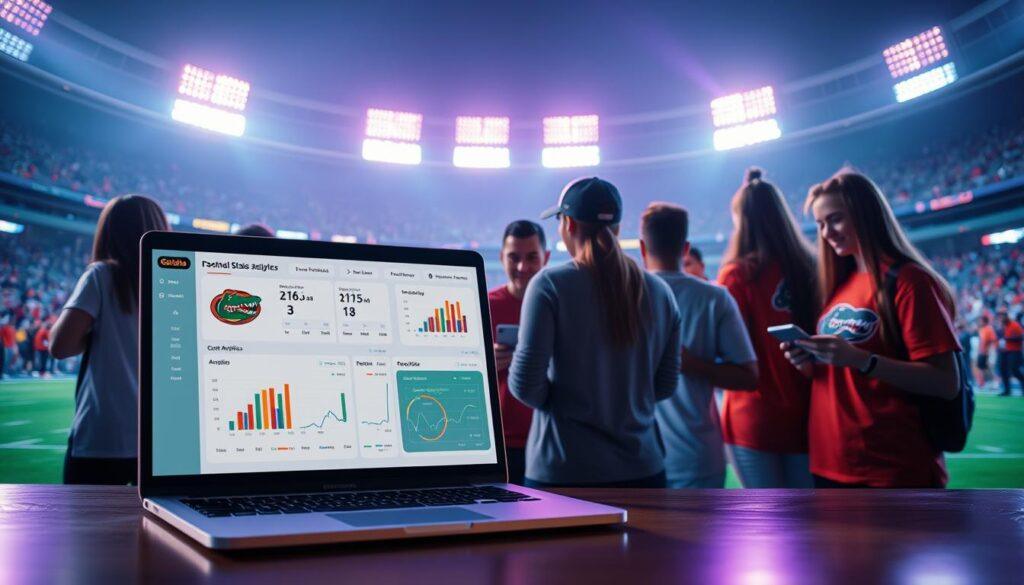
Betting platforms take this even further. They personalize odds and recommendations based on your historical behavior. If you always bet the over when Florida plays at home, they’ll highlight those props front and center. It’s like having a bookie who remembers your every move.
The algorithms process thousands of data points in real-time. They consider:
- Your viewing history and completion rates
- Time spent on specific content types
- Search patterns and navigation behavior
- Device usage and viewing times
This isn’t just recommendation magic. It’s sophisticated pattern recognition that would make Belichick proud. The systems learn your emotional triggers – what makes you lean forward versus what makes you check your phone.
The result? Streaming football stats and content that feels personally curated. You get highlights of players you actually care about. Stats that matter to your viewing experience. It’s the difference between a generic broadcast and your personal football channel.
These engines understand football culture better than some analysts. They recognize regional biases, rivalry games that matter more, and which storylines will keep you engaged. The personalization goes beyond simple “if you liked this, try that” logic.
It’s equal parts brilliant and slightly terrifying how well they know us. But when the right content appears exactly when you want it, you can’t help but appreciate the digital scout in your pocket.
How Analytics Recommend Content
Ever wonder why your streaming service shows you that perfect highlight reel? It’s not magic – it’s math. Analytics engines are the unseen coaches of your content experience.
These systems track everything. They watch your pause patterns and rewind moments. They even remember that time you searched for “Florida offensive line breakdown” after last week’s game. The algorithm remembers what you forget.

Content recommendations work through a fascinating three-layer approach:
- Performance metrics: Player stats like completion percentages or rushing yards
- Viewer behavior: What similar Florida fans are watching and engaging with
- Trend analysis: Social media buzz and expert commentary patterns
The system calculates engagement odds like a Vegas bookmaker. That DJ Lagway interception analysis didn’t appear by accident. The data predicted you’d watch it based on your history with quarterback content.
Florida streaming platforms use this data to create personalized content journeys. It’s like having a personal sports director who knows your tastes better than you do. The result? Content that feels custom-made for millions of fans simultaneously.
These analytics don’t just react – they anticipate. They know what Florida fans want before we know we want it. It’s equal parts brilliant and slightly terrifying.
Responses and Engagement Metrics
Streaming football stats reveal more than just who’s watching. They show our emotional highs and lows during games. Fans in Florida react differently when their team wins or loses.
They dive into more analysis after tough losses. This shows how much we care about our teams.
Teams can respond quickly to fan feedback. They can offer deals after we leave without buying or alert staff to any dips in engagement. This data keeps a pulse on fan feelings across all platforms.
For example, Manchester City’s Cityzens program increased fan engagement by 40% with smart data use. Fan engagement analytics turn numbers into deep insights into our emotions.
The best stats capture our deep passion for football. They show when we rewind key moments or tune out during blowouts. It’s not just about watching games. It’s about feeling them through every data point.
Now, teams can predict when fans might leave and tailor experiences for each fan. They use models to guess how much a fan will value them over time. These numbers confirm what we’ve always known. We’re not just watching games. We’re living them through every data point.