

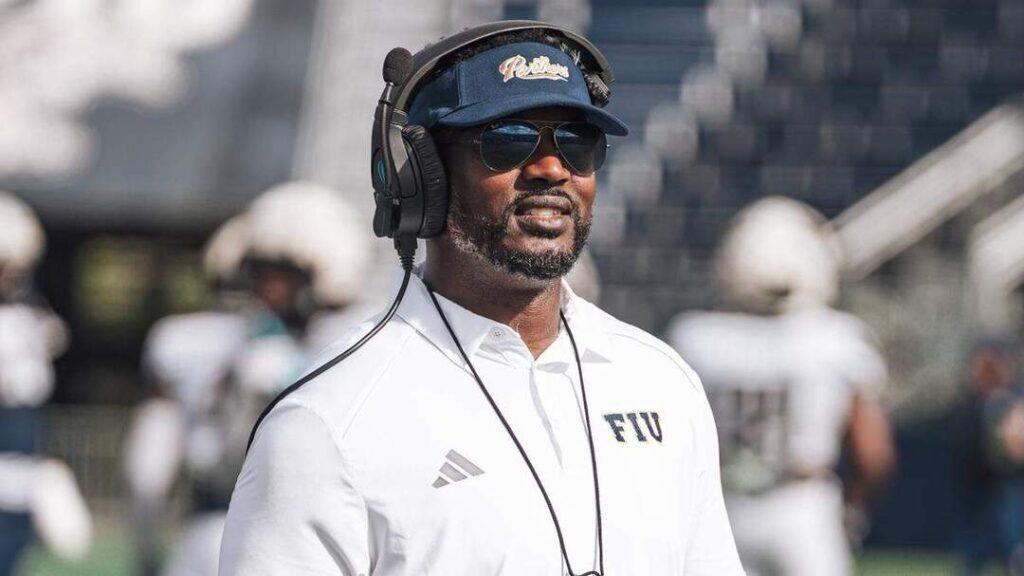
The FIU Panthers 2026 schedule gives Willie Simmons something every rebuilding coach needs: a runway that does not immediately force his program to live out of a suitcase. With eight games in Florida, six home dates, and early road trips to USF and FAU, the Panthers have a chance to turn geography into momentum before the season’s harder questions arrive.
That does not mean the schedule is easy. It means FIU has a practical opportunity to build rhythm, protect energy, and keep its young roster connected to a fan base that needs a reason to believe the next step is real.
Why The FIU Panthers 2026 Schedule Creates A Real Opening
The biggest advantage in FIU’s schedule is not just the number of home games. It is the concentration of early in-state opportunities. The Panthers open at USF on Sept. 5, return home to face Buffalo on Sept. 12, then travel to Boca Raton for the Shula Bowl against FAU on Sept. 19.
That setup matters because September can shape perception fast. A rebuilding team does not have to become a finished product in the first month, but it does need to show signs of order. The FIU football 2026 schedule gives the Panthers that chance in a way that feels unusually useful: regional travel, familiar recruiting territory, and games that can carry local interest.
For Simmons, this is a real opening to establish what FIU wants to be. The Panthers can use September to show whether the program is better organized, more physical, and more consistent than it looked during earlier stages of the rebuild. Those are not cosmetic details. They are the foundation of credibility.
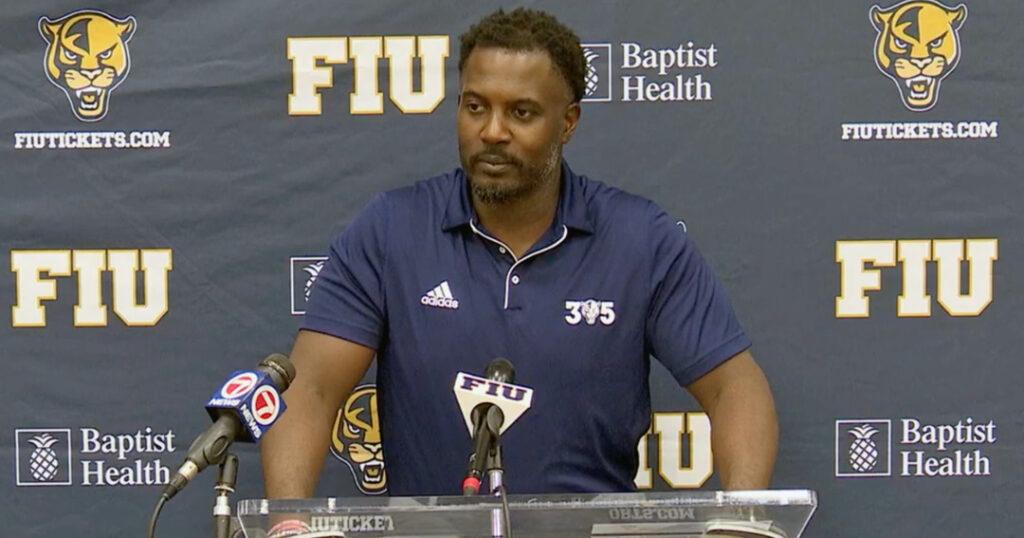
The Florida-Heavy Path Changes The Pressure
A schedule with eight games inside the state changes the emotional and logistical profile of a season. FIU does not have to sell its story from a distance. It gets multiple chances to put the product in front of local recruits, alumni, students, and South Florida football fans who may be waiting for a reason to re-engage.
That is where the opportunity becomes bigger than travel convenience. Regional games can create recruiting-adjacent visibility because prospects and high school coaches can connect the program’s message to something tangible. They can see the team, evaluate the energy around it, and decide whether the direction feels serious.
There is a trade-off, though. A Florida-heavy schedule also removes excuses. If FIU struggles to generate attention with this many nearby games, the issue is not geography. It becomes performance, presentation, or both.
Here is the practical comparison that explains why this schedule matters:
| Schedule Factor | Opportunity For FIU | Pressure Point |
|---|---|---|
| Six home games | More chances to build fan engagement | Home-field energy must become visible |
| Eight Florida games | Easier regional visibility and travel rhythm | Local losses can sting more publicly |
| USF opener | Early test against an in-state opponent | Immediate tone-setter for the season |
| FAU Shula Bowl | Rivalry game with built-in emotion | Rivalry momentum can swing quickly |
| September-heavy Florida slate | Fast chance to build identity | Slow starts become harder to explain |
The takeaway is simple: this schedule gives FIU useful conditions, not guaranteed progress. The Panthers still have to turn those conditions into results.
The Shula Bowl Can Do More Than Fill A Rivalry Slot
The FAU game stands out because it is not just another non-conference date. The Shula Bowl gives FIU a recognizable in-state measuring stick, and playing it on Sept. 19 puts that test early enough to shape the tone of the season.
Rivalry games are often treated as emotional outliers, but for a program like FIU, they can serve a more practical role. They tell fans whether the team can handle urgency. They tell recruits whether the program can compete with a nearby peer. They tell the coaching staff whether the roster’s offseason progress is showing up under pressure.
This is where the margin is thin. FIU does not need to dominate the rivalry to prove the rebuild is moving. But the Panthers do need to look prepared, composed, and physically competitive. A sloppy performance against FAU would raise different concerns than a sloppy performance against a distant opponent because the rivalry sits directly inside FIU’s recruiting and fan-interest footprint.
The Shula Bowl also helps define the September stretch. USF tests the Panthers immediately. Buffalo gives FIU a home opportunity. FAU adds rivalry pressure. By the time that third game is over, the public will have a much better read on whether FIU is simply talking about progress or actually showing it.
Willie Simmons Has A Schedule That Can Accelerate Buy-In
Simmons does not need a perfect first act. What he needs is evidence that the operation is moving in the right direction. The schedule gives him several ways to build that case without asking fans to wait until late November.
The most valuable thing FIU can create early is belief. Not hype. Belief. There is a difference. Hype can disappear after one ugly quarter. Belief grows when a team looks organized, tackles better, avoids avoidable mistakes, and plays with an identity that fans can recognize from week to week.
That is why a broader look at the FIU Panthers football rebuild matters alongside the schedule itself. A favorable regional setup only helps if the program has a clear plan for using it. Simmons has to make the Panthers look less like a team hoping for improvement and more like a program building toward a defined standard.
The Conference USA layer adds another level. FIU is not just trying to be interesting locally; it is trying to become more relevant inside the Conference USA football race. Early momentum can help, but conference play will still demand depth, discipline, and week-to-week adjustment.
The Early Signals That Will Tell Us If Momentum Is Real
The first thing to monitor is not just wins and losses. It is whether FIU looks more stable in the areas that usually expose rebuilding teams. Penalties, tackling, third-down execution, offensive rhythm, and late-half management will say plenty.
If the Panthers are cleaner in those details, the schedule becomes a launchpad. If they are messy, the schedule becomes a mirror.
The USF opener will reveal how quickly FIU can handle a road environment. The Buffalo home game will test whether the Panthers can create energy in Miami. The FAU trip will show whether rivalry pressure sharpens the team or exposes it. Those are early proof points that go beyond the box score.
Another key signal is crowd response. FIU needs more than internal optimism. It needs visible public buy-in. Six home games create chances to build that connection, but home games only matter if the team gives fans something worth returning to see.
That is why this schedule is so interesting. It does not merely place games on a calendar. It creates a sequence of credibility tests.
The Opportunity Is Real, But So Is The Standard
FIU’s 2026 path gives the Panthers a meaningful chance to build early momentum, but it also raises the standard for how the program should look. A Florida-heavy schedule is valuable because it keeps FIU close to its recruiting base, reduces unnecessary travel strain, and offers multiple chances to create local relevance.
Yet the same setup also makes progress easier to judge. If FIU starts fast, the story becomes more compelling quickly. If the Panthers stumble through September, the conversation turns to whether the rebuild is still stuck in the same cycle of promise without proof.
That is the tension that makes this schedule worth watching. Simmons has enough opportunity to change the mood around the program, but not enough room to hide from the results.
The FIU Panthers 2026 schedule matters because it gives the program more than dates and opponents. It gives FIU a chance to build a statewide identity, prove its rebuild has structure, and show South Florida that the Panthers are ready to become a more serious football presence.