

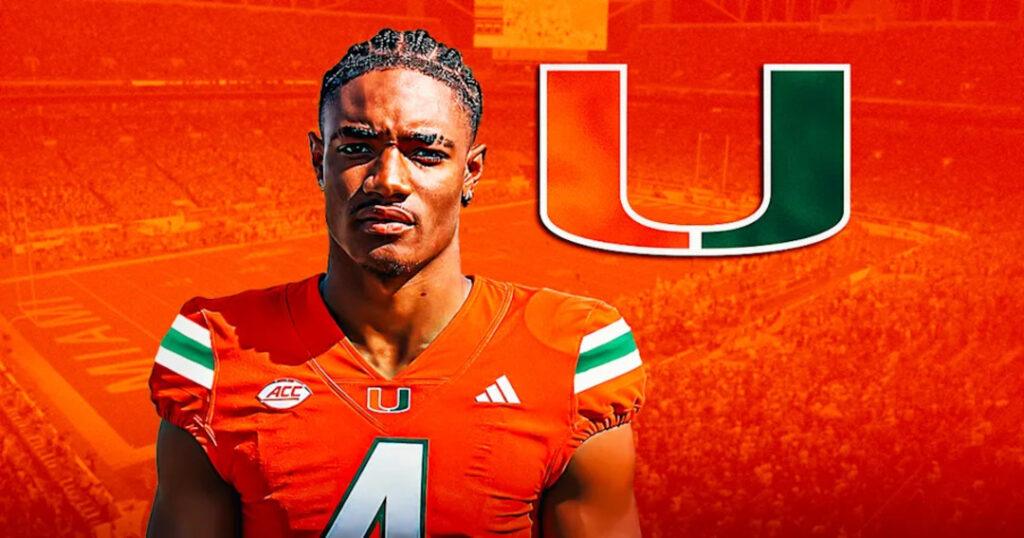
The Miami Donte Wright flip is the kind of recruiting move that changes the tone of an offseason because it does more than add a blue-chip name to a commitment list. It gives Mario Cristobal a national signal, pulls a premium defensive back away from Georgia, and reminds the rest of college football that Miami is still capable of turning a recruitment into a headline.
For Miami, this is not just about winning a recruiting graphic on a Saturday. It is about momentum, perception, roster architecture, and the larger question that keeps following Cristobal in Coral Gables: is he building another class that can actually move the Hurricanes closer to the national tier they keep trying to rejoin?
Miami Donte Wright Flip Gives Cristobal A Real Recruiting Statement
The Miami Donte Wright flip matters because of who Miami beat, where the player comes from, and what kind of position he plays. Wright is a five-star cornerback from Long Beach Poly in California, and his move from Georgia to Miami gives the Hurricanes a national recruiting win at one of the most valuable positions on the field.
Cornerback recruiting is never just cornerback recruiting anymore. Elite defensive backs are currency. They protect aggressive defensive coordinators, allow pressure packages to breathe, and give a roster more flexibility against the spread offenses that define modern college football. A program can hide weakness in some places. It cannot hide ordinary corner play against elite passing games for very long.
That is why this commitment lands with force. Miami did not merely add a future defensive back. It pulled a five-star defensive prospect away from Georgia, a program that has become one of the sport’s clearest standards for defensive talent collection and NFL development. That is the part that should matter most to Miami fans. Recruiting wins are nice. Recruiting wins against Georgia are louder.
This is also why the timing matters. May recruiting headlines can fade quickly, but high-end commitments often reshape the conversation around a class. Once a player with Wright’s profile joins, other prospects pay attention. They see who is willing to commit early, which staffs are gaining traction, and which programs appear to have enough confidence to recruit nationally rather than defensively.
Miami needed that kind of headline. Cristobal has recruited well before, but a flip like this gives his 2027 class a sharper edge. It turns Miami from a program collecting pieces into a program creating pressure on competitors.
Why Beating Georgia Changes The Story
A commitment flip from Georgia carries different weight than a flip from a middle-tier program. Georgia is not just a big logo. It is a modern recruiting machine, especially on defense. When Miami takes a player from that kind of board, the move becomes more than local excitement. It becomes a national comparison.
That comparison matters because Cristobal’s Miami tenure has always been judged against ambition. Miami does not want to be a fun ACC brand with occasional NFL talent. The program wants to recruit like a heavyweight, develop like a heavyweight, and eventually win like one. Those goals require evidence, not nostalgia.
Wright gives Miami fresh evidence.
The Hurricanes can now point to a recruitment that crossed geography, conference boundaries, and recruiting hierarchy. A California five-star leaving a Georgia commitment for Miami is not an accidental outcome. It suggests Miami’s staff sold more than a depth chart. It sold vision, relationships, lifestyle, defensive opportunity, and future development.
That is the modern recruiting package. It is no longer enough to offer early playing time or old history. Players and families want to understand the full experience: football, education, NIL environment, staff stability, personal growth, scheme fit, and long-term exposure. If Miami won those conversations, the win tells us something about the staff’s strategy.
It also creates a more interesting question: can Miami hold him?
Flips create excitement, but they also create responsibility. Once a player changes course publicly, every competitor knows the door has moved before. The next phase becomes retention. Miami has to keep building the relationship, keep strengthening the class around him, and keep proving the decision made sense.
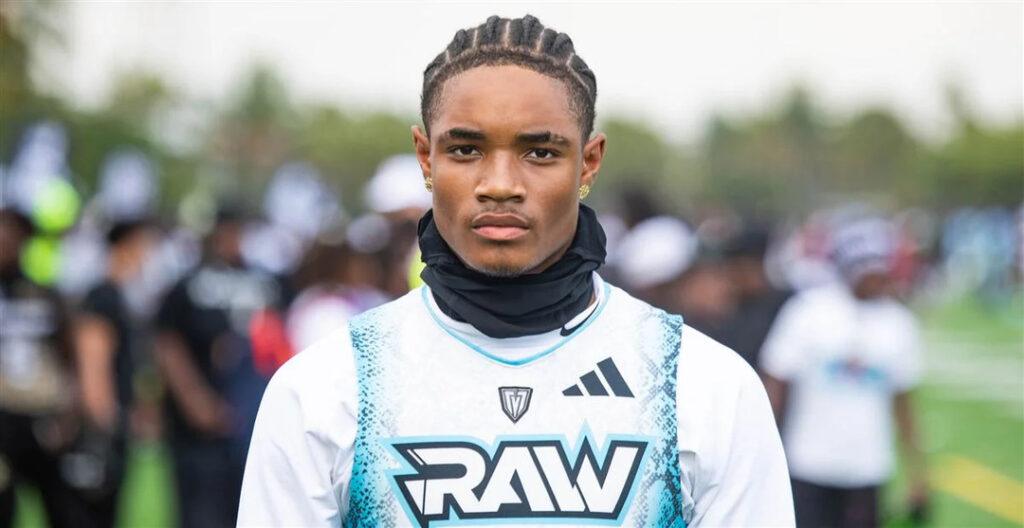
The National Recruiting Angle Is The Real Hook
The headline works because it is not just a Florida story. Wright is not an in-state prospect who stayed home. He is a national prospect from California, and that gives Miami a broader recruiting argument.
That matters for Cristobal because Miami has to recruit nationally to become the version of itself it wants to be. South Florida talent remains essential, but the modern playoff race is not won by local pipelines alone. The best programs blend home-region control with national reach. They go where the elite players are.
Miami’s brand gives it an opening in that market. The city sells itself differently than most college towns. The program can pitch weather, visibility, culture, history, and a legitimate NFL pipeline. But a pitch is only useful if it produces commitments. Wright gives the Hurricanes a tangible result.
The more intriguing part is what this could do to Miami’s defensive recruiting. Elite players watch other elite players. A top cornerback can become a magnet for safeties, pass rushers, and receivers who want to compete against high-level talent every day. Recruiting classes often develop personalities. Some become offensive classes. Some become trench classes. Some become defensive tone-setters.
Wright gives Miami’s 2027 class a chance to develop a defensive identity.
That does not guarantee anything. Recruiting rankings are projections, not final outcomes. But they shape expectations, and expectations shape the kinds of prospects who answer calls. If Miami keeps building around Wright, the Hurricanes can sell more than a single commitment. They can sell a movement.
What Donte Wright Represents For Miami’s Defense
Cornerback is one of the most unforgiving positions in football. Every mistake is visible. Every matchup can become a season-altering clip. That is why a five-star cornerback commitment brings both promise and risk.
Wright’s appeal is straightforward: size, athletic profile, coverage upside, and the kind of recruiting reputation that suggests high-end tools. But Miami’s task is not simply to celebrate those tools. The Hurricanes must develop them. That means technique, discipline, route recognition, tackling, and the mental side of playing corner at the college level.
The best defensive backs are not only fast. They are patient. They understand leverage. They know when to trust their help and when to play through the receiver. They survive double moves, handle tempo, tackle in space, and forget the last play quickly. That last quality matters more than fans sometimes realize.
For Miami, Wright represents the kind of player who can change defensive planning if he develops properly. A reliable outside corner gives a defense more choice. It can spin safeties, disguise pressure, bracket another receiver, or play more aggressively on passing downs. That is how one recruiting win can affect an entire defense.
The table below shows why a premium cornerback commitment carries such strategic value.
| Recruiting Impact Area | Why It Matters For Miami |
|---|---|
| National perception | Shows Miami can beat elite programs outside Florida |
| Defensive ceiling | Adds a high-upside player at a premium position |
| Class momentum | Gives other blue-chip prospects a reason to watch Miami |
| Scheme flexibility | Creates future options for pressure and coverage variety |
| Staff credibility | Strengthens Cristobal’s national recruiting message |
The best part for Miami is that Wright’s commitment does not have to be oversold to matter. The facts already make it compelling. Georgia wanted him. Miami flipped him. The player has five-star status. The position is premium. That combination has real impact.
Cristobal’s Recruiting Reputation Needed A Fresh Jolt
Cristobal has never been viewed as a coach who cannot recruit. That has been one of his defining strengths. The more complicated question has been whether Miami can turn recruiting success into consistent Saturdays. That distinction is where the fan base’s tension lives.
This commitment helps the first part of the equation. It reminds people that Cristobal can still win big recruiting battles. It gives Miami another national talking point. It helps reset the offseason conversation around upside rather than frustration.
But it also raises the bar. When a coach signs or lands blue-chip talent, patience changes shape. Fans start expecting those players to become the foundation of winning football. That is fair. Recruiting is not an abstract sport. It is supposed to become execution, depth, and results.
This is where Cristobal’s challenge becomes more nuanced. The Hurricanes do not need recruiting headlines for their own sake. They need roster quality that produces late-season toughness, better situational football, and fewer games where talent looks disconnected from performance.
Wright’s commitment helps Miami’s future. It does not erase the need for coaching discipline. Those two truths can exist together.
The 2027 Class Now Has A Player Other Recruits Can Recognize
Every strong recruiting class needs a few names that carry gravity. Wright can be one of those names.
Recruiting is social, competitive, and heavily influenced by peer perception. When a player with five-star status commits, he becomes part of the class’s public face. Other prospects look at him and ask whether the program is serious. They ask who else might join. They ask whether the class is gaining momentum or just collecting isolated commitments.
Miami now has a player who can strengthen that answer.
The Hurricanes already had reason to feel optimistic about the direction of their 2027 group, but a flip like Wright’s gives the class more national shape. It moves the conversation from “Miami has some nice early pieces” to “Miami is landing players other powers expected to keep.”
That difference matters in recruiting media, message boards, group chats, unofficial visits, and summer camp conversations. Perception becomes oxygen. The more prospects hear Miami’s name in serious recruiting contexts, the easier it becomes for the staff to get back into living rooms with authority.
Still, the real work begins after the announcement. Miami has to protect the commitment, stack more high-level talent, and avoid letting the flip become the peak of the cycle. The strongest recruiting classes do not live off one splash. They build rhythm.
Why Miami Must Turn The Flip Into A Wider Defensive Push
The Hurricanes should treat Wright’s commitment as a door, not a trophy. A five-star cornerback gives Miami a chance to recruit the rest of the defense with a more persuasive message.
Start with the pass rush. Elite cornerbacks and elite edge rushers make each other better. A great rush forces hurried throws. A great corner forces quarterbacks to hold the ball. If Miami can pair Wright with high-level defensive line talent, the long-term defensive ceiling becomes much more interesting.
Then look at safety. A cornerback with shutdown potential gives safeties more freedom, but Miami still needs rangy, physical, smart players behind him. The modern college passing game attacks spacing, not just one-on-one matchups. That means Miami must keep recruiting full-field defensive balance.
Linebacker matters too. The ACC and national playoff race demand defenders who can run, cover, blitz, and tackle in space. A strong secondary loses value if the second level cannot handle motion, RPOs, and perimeter stress.
This is where Wright’s flip becomes a recruiting platform. Miami can walk into other recruitments and say: the elite defensive players are starting to see the vision. That is a cleaner message than asking prospects to believe without proof.
For broader program context, Miami’s win sits inside a state-wide recruiting and roster arms race, the same kind of movement reflected in Florida’s offseason retention battle as programs try to protect stars while chasing new ones.
The Georgia Part Will Keep This Story Alive
The Georgia angle is not going away, and that is useful for Miami. Some recruiting wins fade because they are difficult to explain quickly. This one is simple: Miami flipped a five-star cornerback from Georgia. That sentence carries its own clarity.
Georgia gives the story national relevance. The Bulldogs have built one of the strongest player-development machines in college football. Their defensive reputation gives Miami’s win extra meaning because it signals that the Hurricanes can enter those heavyweight conversations and actually finish.
That does not mean Miami has passed Georgia in recruiting. It does not mean one commitment changes the sport’s hierarchy. It means Miami won a specific battle that people around the country will notice.
There is a difference between hype and useful hype. This is useful hype because it supports a strategic point. Miami needs to look like a program that can beat elite recruiters, not just compete for leftover attention. Wright helps create that perception.
That perception is valuable even if it makes the next few months more intense. Georgia will not disappear from the background. Other programs will stay involved. Miami’s staff has to recruit through the finish line, not the announcement.
What Makes This Different From A Normal Commitment
A normal commitment adds a player. A flip changes a conversation.
The Miami Donte Wright recruiting flip has layers because it involves a premium position, a five-star profile, a national geography, and a direct recruiting win over one of the country’s strongest programs. That is why it deserves more than a quick reaction.
The move also tells us something about Miami’s persistence. Flips rarely happen without long pursuit. They require staff consistency, relationship maintenance, and the ability to stay relevant after a player has publicly chosen another school. That is not easy, especially when the school being challenged is Georgia.
This is where recruiting becomes less about slogans and more about operation. Miami had to keep the communication alive. It had to make the player feel wanted without making the pursuit feel desperate. It had to show a path that made sense beyond emotion.
That operational side is often invisible to fans, but it is where major classes are built. A program that can stay alive in a recruitment after losing the first public decision has resilience. A program that can flip the decision has something stronger.
The Risk For Miami Is Overreading One Recruiting Win
The excitement is justified. The overreaction would be assuming this commitment proves everything.
A five-star flip does not guarantee a monster class. It does not guarantee development. It does not guarantee the player signs, starts, or becomes a star. Recruiting is projection, and projection always carries uncertainty.
That is not cynicism. It is the right way to evaluate May recruiting news. Miami should enjoy the win while understanding that the class still needs depth, balance, and staying power. The Hurricanes cannot let one defensive back become the entire identity of the cycle.
The better interpretation is measured: Wright gives Miami a major building block and a stronger national voice. That is enough. The Hurricanes do not need to declare the class finished or pretend the rebuild has crossed some final threshold.
The next test is whether Miami turns the commitment into more commitments. The test after that is whether the signed class becomes a real roster. The test after that is whether the roster wins. Recruiting is the beginning, not the finish.
What Miami Fans Should Watch Next
The first thing to watch is whether Wright becomes an active peer recruiter. Some high-profile commitments prefer to stay quiet. Others embrace the role of class-builder. If Wright starts helping Miami recruit other defensive backs, receivers, or national prospects, his value to the class grows beyond his own ranking.
The second thing to watch is whether Miami’s 2027 class adds more defensive blue-chip players around him. One elite cornerback is exciting. A defensive core is different. If the Hurricanes can pair Wright with high-end front-seven talent, the class starts to feel more complete.
The third thing is geography. Miami landing a California five-star is impressive, but national recruiting only works when it is repeatable. Can Miami keep pulling elite players from outside the Southeast? Can it do that while still protecting South Florida relationships? That balance will define the class’s scale.
The fourth thing is staff stability. Recruits commit to programs, but they often build trust with specific coaches. Miami must keep the relationship structure strong through visits, evaluations, and the long stretch before signing day.
Most of all, watch the tone around Miami. Recruiting momentum is not just about rankings. It is about whether players, media, and rival staffs start treating Miami as a serious threat again. Wright helps with that.
Cristobal’s Bigger Challenge Is Turning Talent Into Proof
This is the part that makes Miami fascinating and frustrating. The Hurricanes can recruit at a high level. They can create national headlines. They can produce excitement. The harder part is turning that excitement into a team that plays with week-to-week consistency.
Cristobal knows that. Miami fans know it too. That is why a commitment like Wright’s feels both thrilling and demanding. It gives the future more promise, but it also sharpens the expectation that the program must eventually cash in.
There is nothing wrong with enjoying recruiting wins. They matter. Talent acquisition is one of the clearest predictors of championship potential. But Miami has lived long enough in the space between potential and proof. The next era has to be about conversion.
Wright gives Miami a possible future defensive cornerstone. The staff’s responsibility is to develop him, keep him, and surround him with enough talent that his commitment becomes part of a larger story. That is where real accountability begins.
Why This Could Become The Start Of A Monster Class
A monster class is not defined by one player, but it can start with one. Wright gives Miami an anchor, a headline, and a reason for other elite prospects to pay closer attention. That is how momentum becomes growth.
The class can become special if Miami does three things from here. First, keep Wright fully bought in through signing day. Second, use the commitment as a recruiting accelerant rather than a victory lap. Third, balance star power with positional needs so the class is not top-heavy.
The Hurricanes do not need to chase rankings blindly. They need the right mix: defensive backs with length and speed, linemen who can survive physically, offensive skill talent that fits the system, and enough developmental depth to avoid roster gaps two years later.
That is what separates a loud class from a useful class. Loud classes win headlines. Useful classes win games.
The Miami Donte Wright flip is a real win because it gives Cristobal both a player and a message. The player could matter on the field. The message could matter across the recruiting trail. If Miami builds from here with patience, precision, and execution, this may be remembered as more than a five-star surprise. It may be the moment the 2027 class started to look like something bigger.