

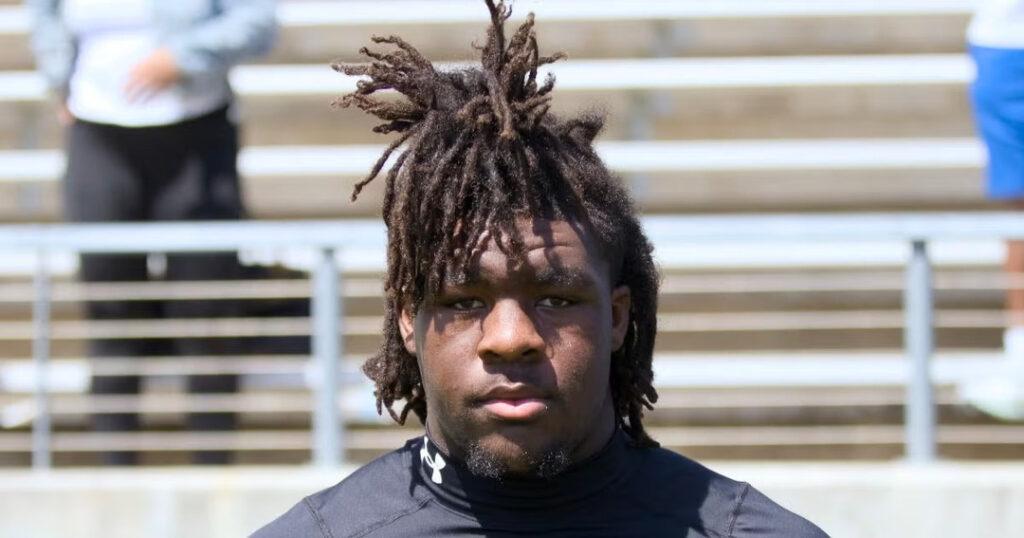
The pursuit of elite defensive linemen has become one of the clearest measures of ambition in modern college football. That is why Florida Gators recruiting Jalen Brewster matters now: it is not just about flipping a five-star Texas Tech commit, but about whether Florida can reassert itself in the SEC by winning the hardest battles on the trail.
Why Florida Gators Recruiting Jalen Brewster Matters
When I evaluate a recruiting push like this, I look beyond the star rating. A five-star defensive lineman is never simply another name on a board. He represents scarcity, leverage, and identity. Programs do not chase players like Jalen Brewster casually; they pursue them because dominant defensive line talent changes the geometry of a football team.
Florida’s interest in Brewster signals a staff that understands where games are still decided. Even as college football becomes faster, more open, and more quarterback-driven, the SEC remains a line-of-scrimmage league. The teams that survive November are the teams that can compress pockets, stop inside zone, control short-yardage snaps, and rotate disruptive bodies without losing force.
That makes Brewster an especially important target. He is already committed to Texas Tech, which changes the tone of the recruitment. Florida is not merely competing for an undecided prospect; it is attempting to reopen a decision. That requires persistence, relationship-building, and a credible developmental argument. Defensive line coach Gerald Chatman’s recent visit to Texas shows that Florida is treating this recruitment as a priority, not a speculative swing.
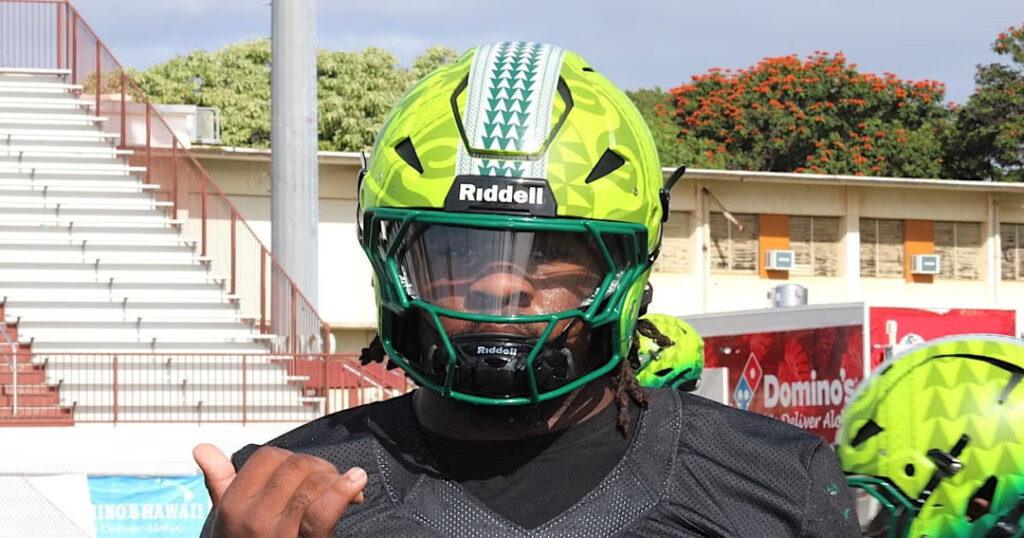
The Bigger Message Behind the Pursuit
The most interesting part of this recruitment is what it says about Florida’s roster-building philosophy. The Gators are not just chasing headlines. They are trying to build a profile.
There is a major difference between collecting talent and constructing a roster. Collecting talent often creates short bursts of enthusiasm. Constructing a roster creates staying power. The Brewster pursuit fits into the latter category because elite defensive linemen are foundational pieces, especially in a league where offensive coordinators punish soft fronts with ruthless efficiency.
Florida has long had the brand, geography, fan base, and conference platform to recruit at a national level. The question has been whether the program can consistently convert those advantages into high-end line talent. Pursuing Brewster aggressively suggests the staff wants Florida to be defined less by occasional skill-position fireworks and more by physical credibility.
In my view, that is the correct read of the modern SEC. The best programs can score explosively, but they are built to win ugly when needed. They can take away the run without overcommitting extra bodies. They can pressure quarterbacks without constant blitz help. They can make an opponent’s best offensive lineman look ordinary.
That kind of team starts with defensive linemen like Brewster.
Why Flipping a Commit Is Different
Recruiting a committed prospect is its own discipline. It is not enough to offer early playing time or repeat familiar selling points. A committed player has already made a public choice, built relationships elsewhere, and attached his name to another program’s future. To change that, Florida must give Brewster a reason to reconsider both emotionally and strategically.
That reason cannot be shallow. For a defensive lineman of his caliber, the pitch likely centers on development, scheme fit, competition level, NFL preparation, and the chance to become a defining piece in Gainesville. Florida must show him not only where he fits, but why his ceiling might be better served in orange and blue.
There is also a timing element. Spring and summer visits often determine whether a committed prospect becomes truly available again or simply remains a long-shot target. The staff visit from Chatman matters because in-person attention still carries weight. In an era of nonstop digital communication, a coach getting on the road sends a different message. It says priority. It says urgency. It says the recruitment is not over.
For readers trying to understand the mechanics of this process, Florida Gators recruiting Jalen Brewster fits inside a broader recruiting ecosystem shaped by contact periods, relationship windows, campus visits, and long-term roster strategy.
The Gerald Chatman Factor
Position coaches often decide recruitments more quietly than head coaches do. The head coach may set the vision, but the position coach must make the vision personal. For a defensive lineman, that relationship is especially important because development is technical, demanding, and built over years.
Gerald Chatman’s role in this recruitment is therefore central. A defensive line coach has to answer the questions that matter most to a player like Brewster. How will my body be developed? Where will I align? Will I be asked to two-gap, penetrate, stunt, or play multiple techniques? How does the program rotate linemen? What is the teaching progression from freshman year to draft eligibility?
Those details matter. Elite prospects and their families are increasingly sophisticated. They understand that star ratings do not guarantee careers. They want a plan. They want proof that the staff can identify strengths, fix weaknesses, and turn physical tools into production.
If Florida can make that case convincingly, the Gators have a chance to make this recruitment uncomfortable for Texas Tech.
What Texas Tech’s Commitment Means
Texas Tech should not be treated as a placeholder in this story. A commitment to the Red Raiders suggests that Brewster has already found something he values there. That could be scheme comfort, coaching trust, family fit, early opportunity, or a belief in the program’s direction.
Florida’s challenge is not simply to out-brand Texas Tech. That would be lazy recruiting. The Gators must out-contextualize the decision. They need to make Brewster see Gainesville as the place where his specific goals align most naturally with his development path.
That is harder than it sounds. The transfer portal has changed roster management, but high school recruiting still depends on conviction. When a player is already committed, the opposing staff must create enough doubt to restart the evaluation without making the process feel transactional. The best recruiters do that by listening first, then narrowing their pitch to what the player actually values.
If Florida’s pursuit is serious, the staff will not just sell the SEC logo. It will sell a role, a timeline, a relationship, and a vision of who Brewster can become.
The SEC Premium on Defensive Line Talent
Defensive line recruiting is never optional in the SEC. It is the roster category that most clearly separates hopeful teams from dangerous ones.
A high-level defensive lineman influences every level of the defense. He reduces the stress on linebackers by keeping them cleaner. He makes defensive backs look better by shortening the quarterback’s clock. He changes play-calling because offenses must account for him before the snap. Even when he does not make the tackle, his presence can distort the play.
That is why Florida’s pursuit of Brewster is more than a single recruiting battle. It is a statement about how the program wants to compete. If the Gators want to climb back into the most serious tier of the SEC, they need more than explosive athletes. They need front-seven difference-makers who travel well, translate immediately, and hold up against elite competition.
Brewster fits the type of player Florida must be willing to chase across state lines. In-state recruiting remains vital, but national defensive line recruiting is often where championship ceilings are built.
What This Recruitment Says About Florida’s Direction
The Gators’ approach suggests a staff unwilling to accept a board as fixed. That matters. Recruiting is fluid, and strong programs keep pressure on priority prospects until the paperwork is final. A commitment elsewhere may change the odds, but it should not end the evaluation when the player is talented enough to alter a class.
I also see this as a test of Florida’s persistence. Programs trying to regain national force cannot recruit passively. They must be comfortable entering difficult battles, even when another school currently holds the advantage. The point is not to win every one of those battles. The point is to establish that Florida will be present, aggressive, and credible when elite players are involved.
That reputation compounds. Recruits notice which staffs keep showing up. High school coaches notice which programs recruit with consistency. Families notice which coaches maintain contact without sounding desperate. Over time, that creates a recruiting identity.
For Florida, the Brewster recruitment is an opportunity to reinforce one.
The Risk And Reward Of The Chase
There is always risk in investing heavily in a committed prospect. Time spent chasing a flip is time that could be spent strengthening relationships with uncommitted targets. A staff must know when a pursuit is realistic and when it is merely symbolic.
But the reward is obvious. Flipping a five-star defensive lineman would create immediate momentum. It would strengthen Florida’s defensive identity, energize the fan base, and send a message to other elite recruits that the Gators can win national battles outside their traditional comfort zone.
Even if Florida does not ultimately flip Brewster, the pursuit still has value if handled correctly. It shows the staff’s priorities. It sharpens the program’s recruiting pitch. It keeps Florida visible in elite defensive line circles. In recruiting, perception does not replace results, but perception can help create the conditions for future results.
The key is execution. Florida must recruit Brewster hard without appearing scattered. The message has to be specific, consistent, and credible.
Why This Story Is Bigger Than One Prospect
The reason I view this recruitment as notable is that it captures a broader truth about Florida’s path forward. The Gators do not need to rediscover their relevance; they need to convert relevance into roster force.
Florida remains one of the most recognizable brands in college football. But brand alone does not win third-and-two. Brand does not collapse a pocket. Brand does not survive a four-quarter SEC fistfight. Players do.
That is why Florida Gators recruiting Jalen Brewster is the kind of story worth watching closely. It is not just a question of whether one player changes his commitment. It is a question of whether Florida can consistently position itself as the destination for elite trench talent.
The programs that dominate the next phase of college football will be those that combine modern offensive thinking with old-school line-of-scrimmage control. Florida has the platform to be one of them. Pursuing Brewster aggressively suggests the Gators understand the assignment.
Conclusion
Florida’s push for Jalen Brewster matters because it reflects the urgency of the moment in Gainesville. The Gators are operating in a recruiting climate where patience is valuable, but passivity is dangerous. Elite defensive linemen are too rare, too influential, and too central to SEC success to be treated as optional luxuries.
The opportunity is clear. If Florida can turn this pursuit into a serious flip conversation, it will gain more than a prized recruit. It will reinforce a broader message about toughness, ambition, and the program’s willingness to compete nationally for the players who shape championships. That is why Florida Gators recruiting Jalen Brewster is more than a recruiting note. It is a window into how Florida intends to build its future.