

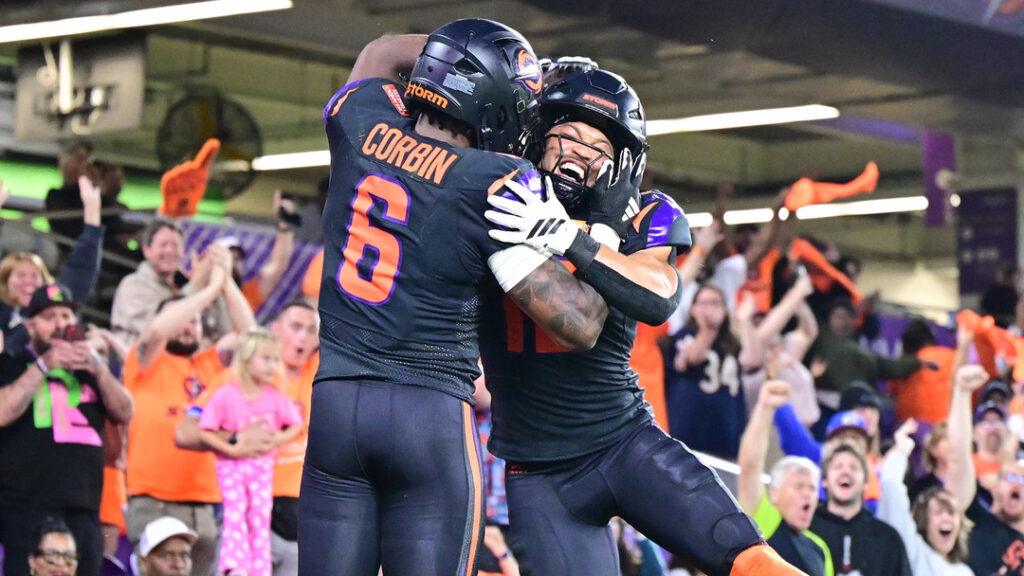
Florida football rarely lacks for storylines, but this spring a new one has cut through the usual NFL and college noise. The arrival of the Orlando Storm is not just another franchise launch. It is a real-time test of whether Orlando can sustain an alternative pro football team and whether spring football has finally found a market built for growth.
I think that is why the Storm matters right now. In a state where football is already part of the civic bloodstream, a new team has entered with a downtown venue, a league looking to expand its reach, and a chance to claim a place in a crowded sports ecosystem before anyone can dismiss it as a novelty.
Why Orlando Storm Matters Beyond One Team
The Orlando Storm arrives in 2026 as part of a larger reshaping of the United Football League, which is trying to do something spring football ventures have struggled to sustain for decades: create permanence. Florida has always looked like fertile ground for that ambition. The weather supports outdoor games, the talent pipeline is unmatched, and the state already treats football as year-round conversation rather than a seasonal hobby.
What makes Orlando especially compelling is the city’s position within the state’s sports geography. It is not trying to compete directly with the NFL footprints in Miami, Tampa Bay, or Jacksonville on their own terms. Instead, it is offering a different product in a different window, with a different set of expectations. That distinction matters. Alternative football leagues often run into trouble when they appear to be a lesser imitation of the NFL. The Storm has a better chance if it is understood as its own local event, with its own calendar, its own fan habits, and its own identity.
There is also something practical at work here. Florida’s sports audiences are broad, transient, and constantly renewing. A city like Orlando, with tourism, transplants, and a large young population, can reward teams that make attendance easy and the atmosphere feel immediate. The Storm is stepping into that environment with an opportunity many startup teams never get: relevance from day one simply because football in Florida is always relevant.
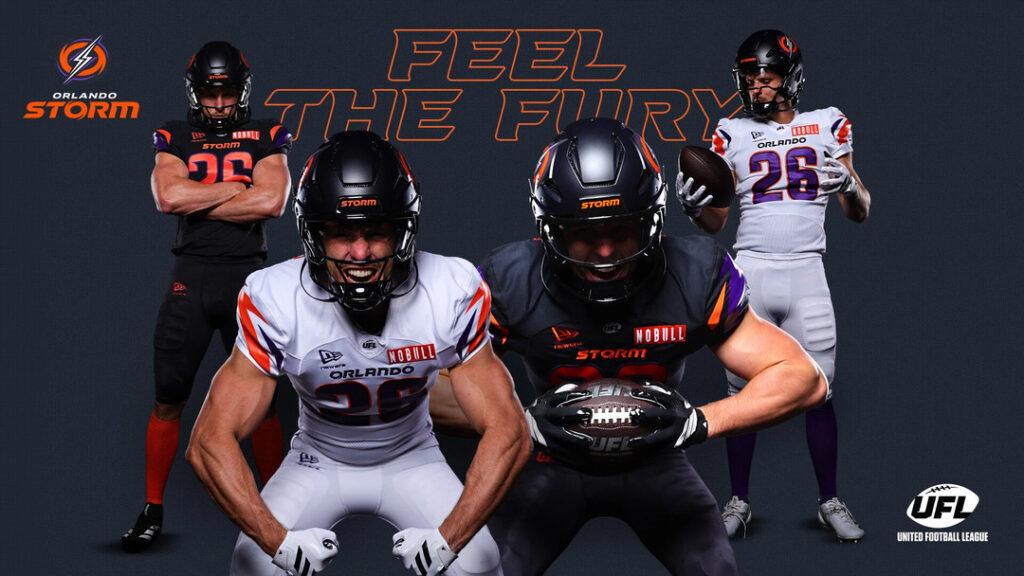
The Team’s Early Identity Is Built on Timing and Place
Expansion teams are usually forced to spend their first months explaining why they exist. The Storm has the advantage of launching at a moment when spring football is still trying to establish long-term credibility, which gives the franchise a built-in narrative. It is not merely selling tickets. It is selling participation in a larger experiment.
That makes its home at Inter&Co Stadium especially important. The venue is not a giant football cathedral swallowed by empty seats. It is a more modern, intimate stage that can make a crowd feel louder, closer, and more visible on television. For a league like the UFL, perception is not cosmetic. It is strategic. A right-sized stadium can make a team look viable before the balance sheet ever tells the full story.
Here is the core snapshot of the franchise as it enters the Florida sports market:
| Category | Details |
|---|---|
| Team | Orlando Storm |
| League | United Football League |
| Launch Season | 2026 |
| Home Venue | Inter&Co Stadium |
| Market | Orlando, Florida |
| Significance | One of the biggest new developments in Florida football this year |
That compact profile explains why the Storm feels like more than a placeholder brand. It was placed in a city with the infrastructure to host it, in a state wired for football, and in a league that clearly understands expansion has to look more intentional this time.
Florida Is the Ideal Laboratory for Alternative Pro Football
I do not think it is an accident that Orlando became part of the league’s expansion story. Florida offers almost every ingredient spring football needs. It has high school talent, college loyalty, NFL saturation, and a climate that makes spring games feel natural rather than forced. A football team here does not have to teach the market what the sport means. It only has to prove why this specific version deserves attention.
That challenge is still significant. Florida fans are informed, opinionated, and often spoiled by premium football options. The standard for credibility is high. A new league cannot survive on logos and launch videos. It needs competitive games, recognizable personalities, stable scheduling, and a stadium experience that feels worth the trip. The Storm enters a market that can reward success quickly, but it can also expose emptiness just as fast.
Even so, the upside is considerable. Orlando has shown it can support teams when the fit is right. The city responds to spectacle, but it also responds to community and routine. If the Storm can become part of that weekly rhythm, it may build one of the stronger cases in the country for alternative professional football with staying power.
What The UFL Gets From Orlando
This franchise is not only about what Orlando gets from the league. It is equally about what the league gets from Orlando. Expansion is always a signal, and in this case the signal is clear: the UFL wants stronger markets, stronger presentation, and a footprint that looks less temporary.
That is why Orlando is such a meaningful addition. It gives the league a Florida presence without forcing direct comparison to the NFL. It gives television a visually attractive venue. It gives sponsors access to a major tourism market. And it gives the league a fresh test case in a state where football culture already exists at scale.
The broader strategic logic becomes clearer when broken down:
- The league gains a high-visibility Florida market with built-in football interest.
- The team plays in a stadium that suits spring football’s scale and presentation.
- Orlando offers a sports audience large enough to matter but distinct enough to avoid being overshadowed by existing NFL identities.
Those points sound straightforward, but in the economics of startup leagues, they are essential. Markets fail when geography, venue, and identity do not align. Orlando gives the UFL a chance to line up all three.
The Stakes Are Higher Than They Look
It would be easy to see the Storm as a niche spring team and stop there. I think that would miss the larger significance. New teams carry the burden of proving not only that they can exist, but that they can help stabilize the structure around them. Every attendance figure, every local sponsorship, every television shot of a lively crowd contributes to a larger argument about whether this model can endure.
That is what raises the stakes in 2026. The Storm is not entering an empty category. It is entering a football economy that has watched multiple alternative leagues overpromise and disappear. Fans know that history. Business partners know it too. So credibility now comes from consistency, not hype.
A successful first season would not instantly guarantee permanence, but it would help change the conversation. It would suggest that spring football is strongest when it stops trying to borrow the grandeur of the fall and starts building a version of itself that feels practical, local, and repeatable. Orlando is one of the better places in America to test that premise.
Can Orlando Storm Become a Fixture?
That depends on whether the franchise can move from curiosity to habit. Launches create headlines. Habits create institutions. The teams that last are the ones that become part of how a city spends its weekends, talks about itself, and passes time with family and friends.
For the Storm, that means turning novelty into loyalty. It means making Inter&Co Stadium feel like a place fans expect to go, not a place they visit once to say they were there at the beginning. It means building recognizable players and rhythms, and giving Orlando residents a reason to feel that this is their team rather than an interchangeable league asset.
There is room for optimism. The market is large enough, the sport is popular enough, and the timing is smart enough to give the franchise a legitimate chance. But there is also very little patience in modern sports business for vague futures. The team has to show quickly that it belongs.
Why This Matters Right Now
The Orlando Storm matters because it sits at the intersection of two important questions in American sports: whether spring football can mature into something durable, and whether Orlando can convert its growth into deeper football identity. Those are not abstract questions. They are being answered right now, in ticket sales, television windows, local buzz, and the atmosphere inside a downtown stadium.
I see the Storm as one of the most interesting developments in Florida football this year precisely because it is not protected by tradition. It has to earn everything in public. That makes it vulnerable, but it also makes it important. If this franchise works, it will say something meaningful about where football is headed beyond the NFL and college powerhouses. And if it does not, that result will be just as revealing.
For now, the significance is simple: a new team has arrived in one of the most football-saturated states in the country, and its success or failure will tell us a great deal about the future of alternative pro football. In Florida, where the sport never truly leaves the conversation, that is a story worth watching now.