

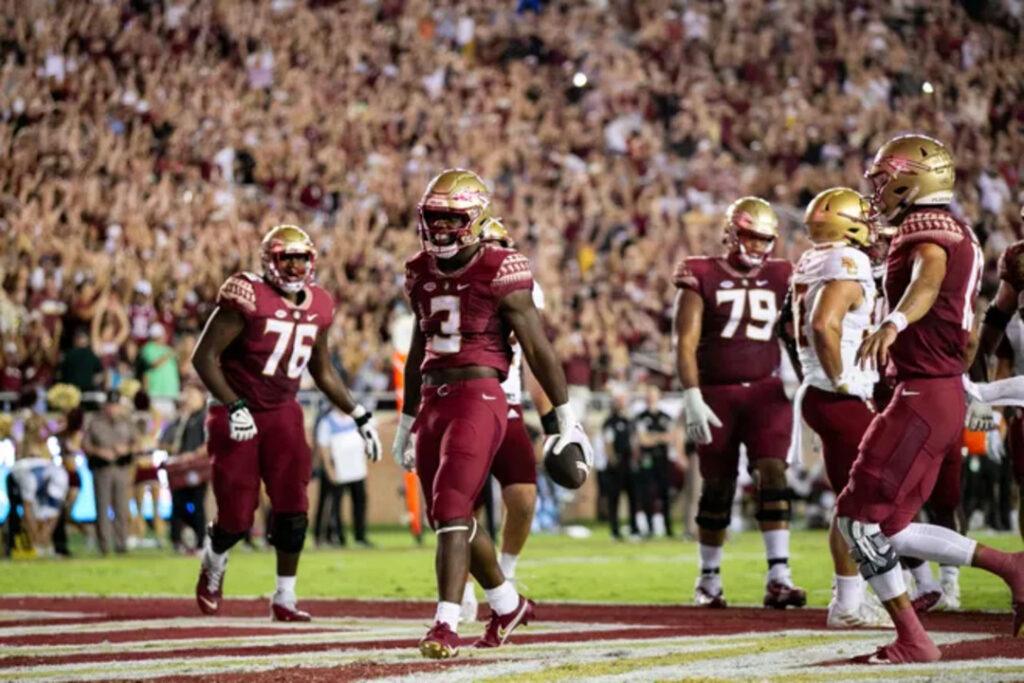
As I’ve followed spring developments across college football in 2026, one storyline has stood out more than most: the evolving identity of Florida State. The narrative is no longer centered on rebuilding talent alone it’s about something deeper. What I’m seeing is a Florida State football culture shift that is beginning to reshape how this team prepares, competes, and responds under pressure.
There’s a noticeable difference in tone. Practices appear sharper, communication more consistent, and effort levels higher across the board. This isn’t just offseason optimism it reflects a program that is actively redefining itself.
Defensive Intensity Becomes the Foundation
If there’s one area where the transformation is most visible, it’s on defense. Florida State’s coaching staff has placed a renewed emphasis on physicality, discipline, and execution three elements that often define elite programs.
From my perspective, the difference lies in consistency. Defensive units are no longer relying on isolated big plays; instead, they are focusing on sustained pressure and structured positioning. That shift is critical. It signals a move from reactive football to proactive control.
Reports from spring practices highlight:
- Faster reaction times at the line of scrimmage
- Improved tackling fundamentals
- Stronger communication in the secondary
These aren’t flashy changes, but they are foundational. And in college football, foundations win games.

Leadership and Accountability Inside the Locker Room
A true Florida State football culture shift doesn’t happen without leadership. What stands out to me is how accountability is becoming a central theme within the program. Veteran players are taking on more responsibility, not just in performance but in setting expectations. Younger athletes are being integrated into a system where effort and discipline are non-negotiable.
This internal dynamic is often overlooked, but it’s one of the most important aspects of sustained success. Teams that hold themselves accountable tend to perform better in high-pressure situations. From what I’ve observed, Florida State is building a player-driven culture, where standards are reinforced daily not just during games.
Coaching Philosophy: Building from the Inside Out
Behind every cultural transformation is a coaching philosophy that supports it. Florida State’s staff appears committed to a long-term approach, prioritizing development over short-term fixes.
The emphasis on fundamentals especially on defense suggests a strategy focused on consistency rather than unpredictability. Instead of relying on talent alone, the program is investing in structure, preparation, and repetition.
From my perspective, this is the kind of foundation that allows programs to remain competitive year after year.
Measuring the Impact: Early Indicators
| Area of Improvement | Observed Change |
|---|---|
| Defensive Consistency | Fewer breakdowns, better alignment |
| Player Discipline | Reduced penalties in scrimmages |
| Team Communication | Faster adjustments on the field |
| Practice Intensity | Higher energy and execution levels |
These early indicators suggest that the Florida State football culture shift is not just theoretical it’s already producing measurable changes. While it’s still early in the season cycle, these improvements provide a strong signal that the program is moving in the right direction.
Challenges That Still Remain
No transformation is without obstacles. Despite the progress, Florida State still faces challenges that could impact its trajectory. Consistency under game conditions remains a key question. It’s one thing to perform well in practice, but another to execute under pressure in front of large crowds and against top-tier opponents.
Depth is another factor. Injuries or fatigue could test whether the cultural improvements extend beyond the starting lineup. From my perspective, the next step is proving that these changes can hold up across an entire season.
The Bigger Picture: Returning to National Relevance
What makes this Florida State football culture shift particularly significant is its potential long-term impact. Florida State has a storied history, and expectations remain high. This current transformation is not about quick fixes it’s about rebuilding a program capable of competing at the highest level consistently.
If the defensive improvements continue and the culture remains strong, Florida State could position itself as a serious contender not just within its conference, but nationally.
A Foundation for the Future
As I evaluate Florida State’s progress in 2026, one conclusion stands out: this is a program undergoing a meaningful and necessary transformation. The Florida State football culture shift is more than a narrative it’s a structural change that is already influencing performance.
The increased defensive intensity, improved discipline, and stronger leadership all point toward a team that is learning how to win the right way.
While challenges remain, the direction is clear. Florida State is not just rebuilding it is redefining its identity. In college football, culture often determines outcomes as much as talent. And if this shift continues to take hold, Florida State may soon find itself back where it believes it belongs among the nation’s elite.