

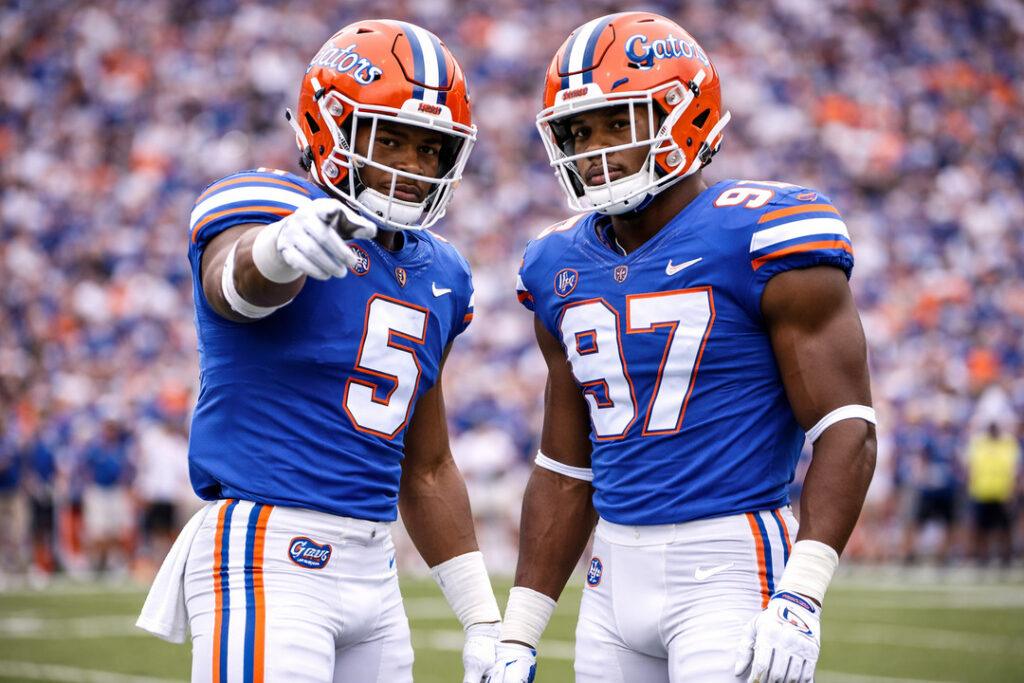
Spring football practices often serve as the first major checkpoint for college programs preparing for the upcoming season. For the Florida Gators football, the 2026 spring camp has already begun to highlight several players who could become key contributors when the season officially begins.
Spring camp is more than just a routine offseason activity. It allows coaches to evaluate new recruits, assess returning players, and test different strategies on both offense and defense. These early practices provide valuable insight into which athletes are developing quickly and which players may step into larger roles during the upcoming campaign.
As the Gators continue preparing for the new season, several individuals have already caught the attention of coaches and analysts during the early days of practice.
The Importance of Spring Camp in College Football
In college football, spring camp functions as a crucial period of evaluation and development. Unlike preseason training later in the year, spring practices allow coaching staffs to experiment with different lineups and schemes without the immediate pressure of upcoming games.
Programs across the Southeastern Conference use spring camp to identify emerging talent and determine how new players fit within the team’s system. For a program like Florida, which continues to develop its roster and refine its strategies, this evaluation period is particularly important.
Spring practice also helps younger players adjust to the speed and complexity of college football. Freshmen and recent transfers often experience a significant jump in competition compared with their previous levels of play.
Because of this, coaches closely monitor how players respond to the intensity of these early practices.
Defensive Leaders Taking Early Control
One of the most encouraging developments in spring camp has been the emergence of defensive players who are beginning to establish themselves as leaders on the field.
Among those drawing attention is linebacker Myles Graham, who has impressed coaches with his consistency and understanding of the defensive system. Graham’s ability to read offensive formations and react quickly has made him one of the most reliable performers during practice sessions.
Linebackers often serve as the communication hub of a defense, relaying signals and coordinating adjustments before each play. Graham’s leadership in this area has been particularly noticeable as the defense works to strengthen its overall structure.
The Gators’ coaching staff has emphasized discipline and physical play during spring camp, and players like Graham appear to be responding well to that message.
Defensive Line Development and Physical Transformation

Another player attracting attention during spring camp is defensive tackle Joseph Mbatchou. Coaches have noted that Mbatchou has undergone a significant physical transformation during the offseason, arriving at camp stronger and more prepared for the demands of the position.
Defensive linemen play a critical role in controlling the line of scrimmage, disrupting offensive plays, and creating pressure on opposing quarterbacks. Improved strength and conditioning can make a substantial difference in a player’s ability to compete at this level.
Mbatchou’s progress has been particularly encouraging for a defensive unit that aims to improve its ability to stop the run and apply consistent pressure on opposing offenses.
As the spring camp continues, the coaching staff will closely monitor how he performs during scrimmages and full-contact drills.
Young Talent Making a Strong First Impression
Spring camp is also an opportunity for younger players to demonstrate their potential. Several newcomers on the roster have already begun making positive impressions during early practices.
Adjusting to college football can be challenging, but some players quickly adapt to the faster pace and increased physicality of the game. These early signs of development often suggest that certain athletes could contribute sooner than expected.
For the Florida Gators, the presence of young talent adds depth to the roster and provides coaches with additional options when constructing game plans for the upcoming season.
If these players continue to develop during the offseason, they may become valuable contributors once the competitive schedule begins.
Offensive Players Seeking Breakout Opportunities
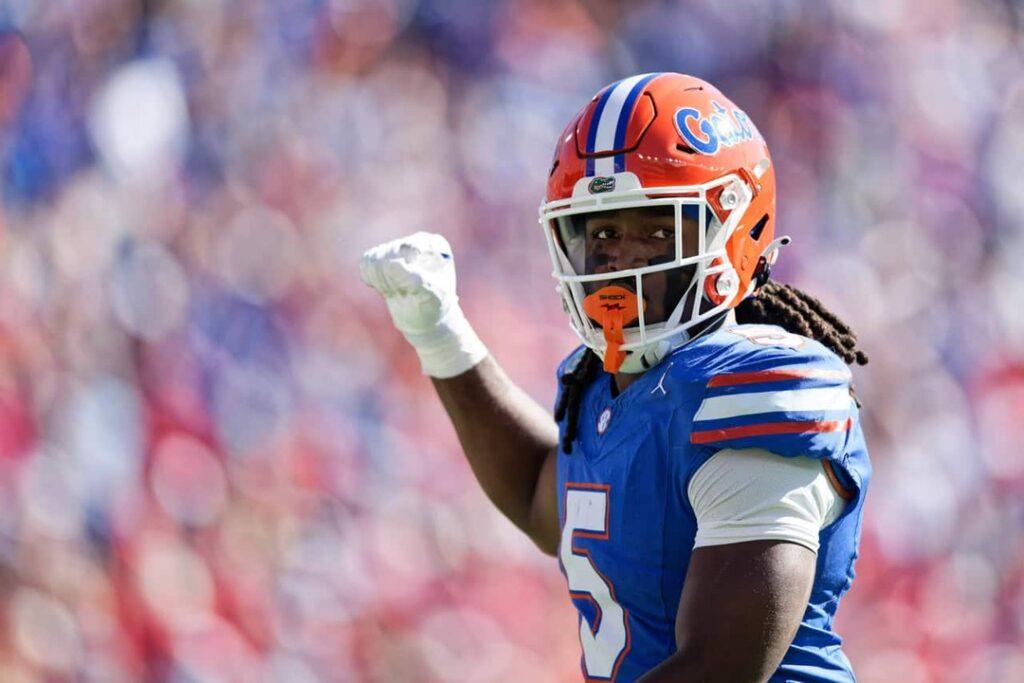
While much of the early attention has focused on defensive standouts, several offensive players are also working to establish themselves during spring camp.
Offensive units often require more time to develop chemistry because of the coordination needed between quarterbacks, receivers, and offensive linemen. Spring practice provides an opportunity to refine timing and improve communication across these positions.
Coaches are particularly interested in evaluating how offensive players adapt to adjustments in play design and strategy. Improved execution during these practices could help the team increase its scoring efficiency in the upcoming season.
Strong performances during spring camp often translate into increased playing time once the regular season begins.
Competition for Key Positions
Another important aspect of spring practice is the competition for starting roles. Coaches frequently rotate players through different positions to evaluate how they perform under various circumstances.
Position battles are common during this stage of preparation, as athletes compete to earn the trust of the coaching staff. These competitions often lead to higher levels of intensity during practices, which ultimately benefits the team as a whole.
For the Florida Gators football, these internal competitions help ensure that the best performers earn opportunities to contribute during the season.
Such competitive environments often accelerate player development and encourage athletes to push their limits, global youth football academies.
Coaching Strategies and Player Development
The coaching staff plays a vital role in shaping the outcomes of spring camp. Practice sessions are carefully structured to evaluate players in a variety of scenarios, including situational drills, scrimmages, and position-specific training.
By observing how athletes respond to these challenges, coaches can identify strengths and weaknesses across the roster. This information helps guide decisions regarding player development and strategic adjustments.
The goal is not only to identify standout players but also to build a cohesive team capable of competing at a high level within the Southeastern Conference, one of the most competitive conferences in college football.
Building Momentum Toward the Upcoming Season
As spring camp progresses, the Florida Gators will continue evaluating players while refining their overall game plan for the upcoming season. Early performances from athletes such as Myles Graham and Joseph Mbatchou suggest that the team may have several emerging contributors ready to step into larger roles.
Spring practice is only one phase of the offseason preparation process, but it provides valuable insight into the direction of the program. Strong performances during this period often signal which players could become impact performers once the regular season begins.
For fans of the Florida Gators football, the early developments of spring camp offer an encouraging glimpse of the talent and potential shaping the team’s future.
As preparations continue, the progress made during these practices will play a key role in determining how the Gators approach the challenges of the upcoming college football season.