

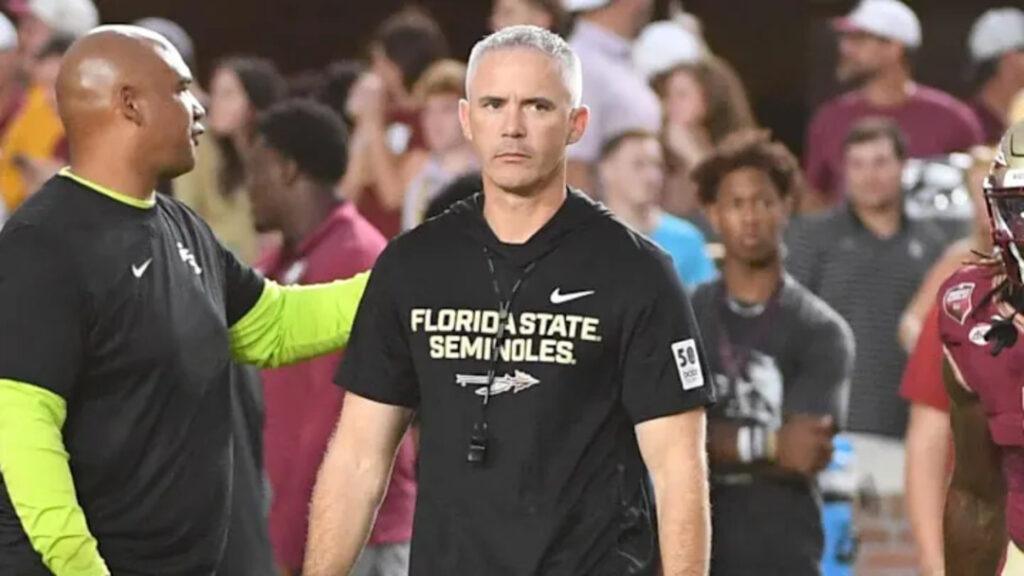
College football programs often move through cycles of rebuilding, growth, and championship contention. For the Florida State Seminoles football, the upcoming season represents a particularly important stage in that cycle. Expectations surrounding the program continue to rise, and with those expectations has come increasing scrutiny of head coach Mike Norvell.
Norvell has been leading the Seminoles since 2020, inheriting a program that was navigating one of the most challenging stretches in its modern history. While the team has shown signs of improvement during his tenure, the competitive landscape of college football particularly in the Atlantic Coast Conference means that progress alone may not be enough to satisfy fans and alumni.
As the Seminoles prepare for another season, the conversation surrounding the program increasingly centers on whether Norvell can elevate Florida State back to national prominence.
Rebuilding a Historic Program
Florida State football is widely recognized as one of the most successful programs in college football history. Under legendary coach Bobby Bowden, the Seminoles dominated the national stage throughout the 1990s and early 2000s, capturing multiple national championships and producing numerous NFL stars.
Even after Bowden’s retirement, the program continued to experience success, including a national championship victory in 2013. However, in the years that followed, Florida State struggled with coaching transitions, roster turnover, and inconsistent performance.
When Mike Norvell arrived from the Memphis Tigers football, he was tasked with rebuilding a program that still possessed tremendous tradition but needed renewed stability and direction.
Norvell quickly emphasized discipline, player development, and recruiting as the foundation for a long-term turnaround.
Early Challenges in Norvell’s Tenure
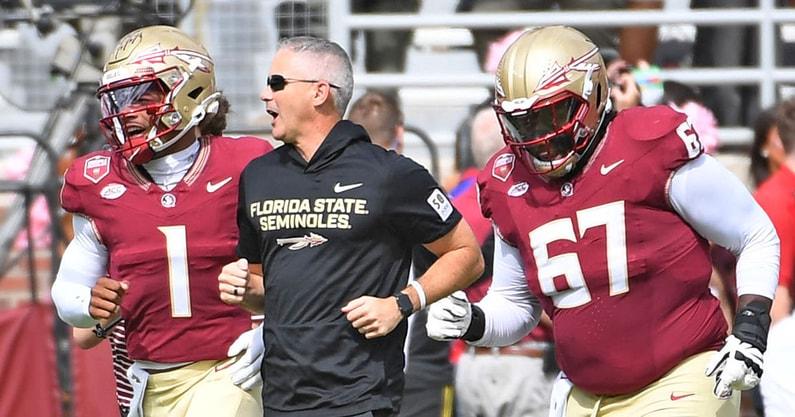
Norvell’s first season at Florida State came during the unusual and difficult circumstances of the 2020 college football season, which was heavily impacted by the global pandemic. The shortened season presented numerous logistical challenges for coaches and players across the country.
For Florida State, the season was especially difficult. The team finished with a losing record and struggled to find consistency on both offense and defense. While many observers acknowledged the unusual conditions, the results added pressure on Norvell as he attempted to stabilize the program to mindfulness and meditation resources.
In the seasons that followed, Florida State began to show gradual improvement. Recruiting classes strengthened, new assistant coaches joined the staff, and the roster began to reflect Norvell’s system more clearly.
Despite those improvements, the Seminoles have yet to consistently compete at the highest level of the conference.
Expectations Within the Atlantic Coast Conference
Competing in the Atlantic Coast Conference presents both opportunities and challenges. The conference features several established football programs that regularly contend for national rankings and postseason appearances.
For Florida State, the goal is not merely to remain competitive but to return to the upper tier of the conference standings. Achieving that objective requires consistent success against conference rivals, strong recruiting pipelines, and disciplined execution on the field.
Fans and analysts alike have noted that the program possesses the resources and tradition necessary to contend for conference titles. However, achieving that level of success requires sustained momentum.
As a result, Norvell enters the upcoming season facing heightened expectations from the fan base.
Recruiting Efforts and Roster Development
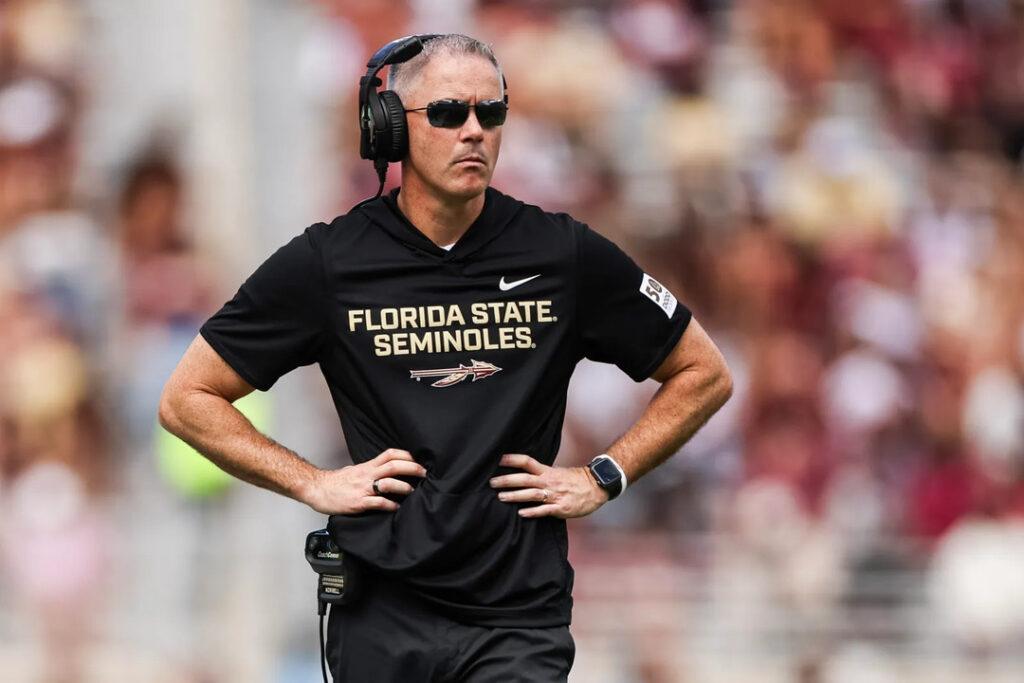
One of the key areas where Norvell has received credit is recruiting. Since arriving in Tallahassee, he has worked to strengthen the Seminoles’ recruiting presence both within Florida and nationally.
The state of Florida produces some of the most talented high school football players in the country. Maintaining strong relationships with high school programs throughout the region has long been essential for Florida State’s success.
Norvell’s recruiting strategy has focused on identifying versatile athletes who can contribute immediately while also developing long-term depth across the roster.
In addition to traditional recruiting, Florida State has also made use of the transfer portal to address roster needs. This modern aspect of college football allows programs to add experienced players who can help fill key positions quickly.
Together, these efforts have helped reshape the roster and provide a stronger foundation for the future.
The Role of Fan Expectations
Few fan bases in college football are as passionate as Florida State’s supporters. Decades of national prominence created a culture in which success is expected rather than hoped for.
While fans appreciate rebuilding efforts, they also expect to see tangible progress in the win-loss column. Close losses, inconsistent performances, or missed opportunities often lead to renewed debate about the direction of the program.
Media coverage has increasingly highlighted the pressure surrounding Norvell as the Seminoles prepare for another season. Analysts frequently point to the upcoming schedule as a critical test of the team’s development.
For Norvell, managing these expectations requires balancing patience with urgency.
Leadership and Program Culture
Beyond wins and losses, Norvell has emphasized the importance of building a strong team culture. From the moment he arrived in Tallahassee, he introduced a structured approach to training, preparation, and accountability.
Players have often spoken about the increased focus on discipline and teamwork within the program. Strength and conditioning programs have also been expanded to ensure that athletes are physically prepared for the demands of a long season.
Creating a winning culture is a process that often takes several years. Coaches must recruit the right players, develop leadership within the locker room, and establish consistent standards across the program.
Norvell has repeatedly emphasized that long-term success depends on building a stable foundation rather than seeking quick fixes.
What the Upcoming Season Means
The next season may prove to be one of the most important of Norvell’s tenure. With several recruiting classes now fully integrated into the program, expectations for improved performance are higher than ever.
A strong season could reinforce confidence in Norvell’s leadership and demonstrate that the Seminoles are moving closer to reclaiming their place among college football’s elite programs.
Conversely, continued struggles could intensify criticism and lead to difficult questions about the program’s future direction.
For Florida State, the stakes are significant because the program’s history sets a high standard. Fans remember the dominance of past decades and hope to see the Seminoles return to that level of success.
Looking Ahead for the Seminoles
Despite the pressure surrounding the program, there are reasons for optimism. Recruiting improvements, roster depth, and growing experience among returning players all suggest that Florida State has the potential to compete at a higher level.
Mike Norvell remains confident that the foundation built over the past several seasons will translate into stronger results on the field.
College football programs often require time to rebuild, particularly when transitioning between coaching staffs and recruiting philosophies. Whether Norvell can guide the Seminoles back to national relevance will likely depend on how the team performs in the seasons ahead.
For now, the pressure continues to mount but with it comes the opportunity for Florida State to demonstrate that its resurgence is within reach.