

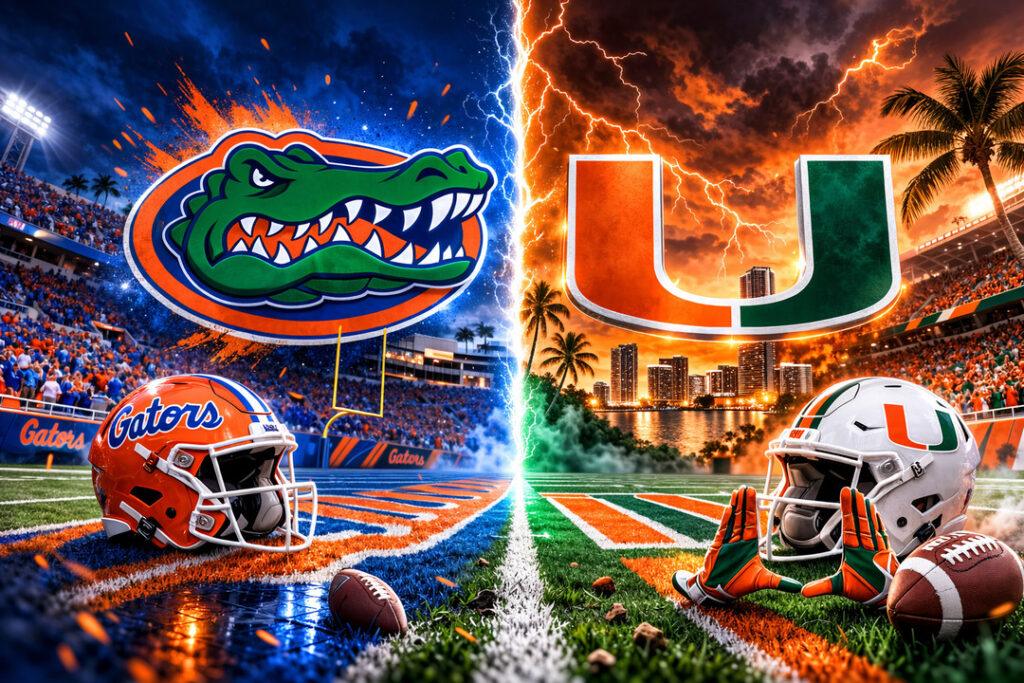
College football has always been defined by contrasting styles, and few matchups highlight that contrast better than the quarterbacks of the Florida Gators and the Miami Hurricanes. While both programs have produced talented signal-callers, the way each team develops and utilizes its quarterbacks often reflects two very different philosophies.
Understanding these differences provides valuable insight into how each program approaches offense, game strategy, and player development. From mobility to decision-making, the contrast between these quarterbacks goes beyond individual talent it’s rooted in system design and coaching identity.
The Evolution of Quarterback Play in College Football
Over the past decade, the role of the quarterback in college football has undergone a dramatic transformation. Traditional pocket passers, once the standard, are now sharing the spotlight with dual-threat athletes who can impact the game in multiple ways.
This shift has created a divide in offensive strategies. Some programs embrace versatility and improvisation, while others prioritize structure and precision. The Florida Gators and the Miami Hurricanes represent two sides of this evolving landscape.
Their quarterbacks are shaped not only by their physical abilities but also by the systems they operate within.


Florida Gators: The Rise of the Dual-Threat Quarterback
The Florida Gators have consistently leaned toward quarterbacks who can do more than just throw the ball. Mobility is a defining characteristic of their offensive approach, and it’s reflected in how their quarterbacks are developed and utilized.
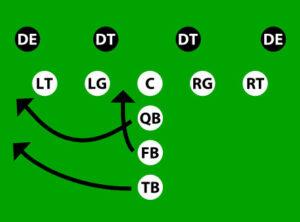
In Florida’s system, the quarterback is not just a passer but a central figure in the running game. Designed runs, read-option plays, and improvisational scrambles are all integral parts of the offense. This approach forces defenses to account for multiple threats on every play.
The advantage of this style is unpredictability. A quarterback who can extend plays and create opportunities outside the pocket adds a layer of complexity that defenses often struggle to contain.
However, this approach also comes with challenges. Balancing the demands of running and passing can lead to inconsistencies, particularly in accuracy and decision-making. Still, when executed effectively, it creates a dynamic and explosive offense.
Miami Hurricanes: Precision and Structure in the Passing Game
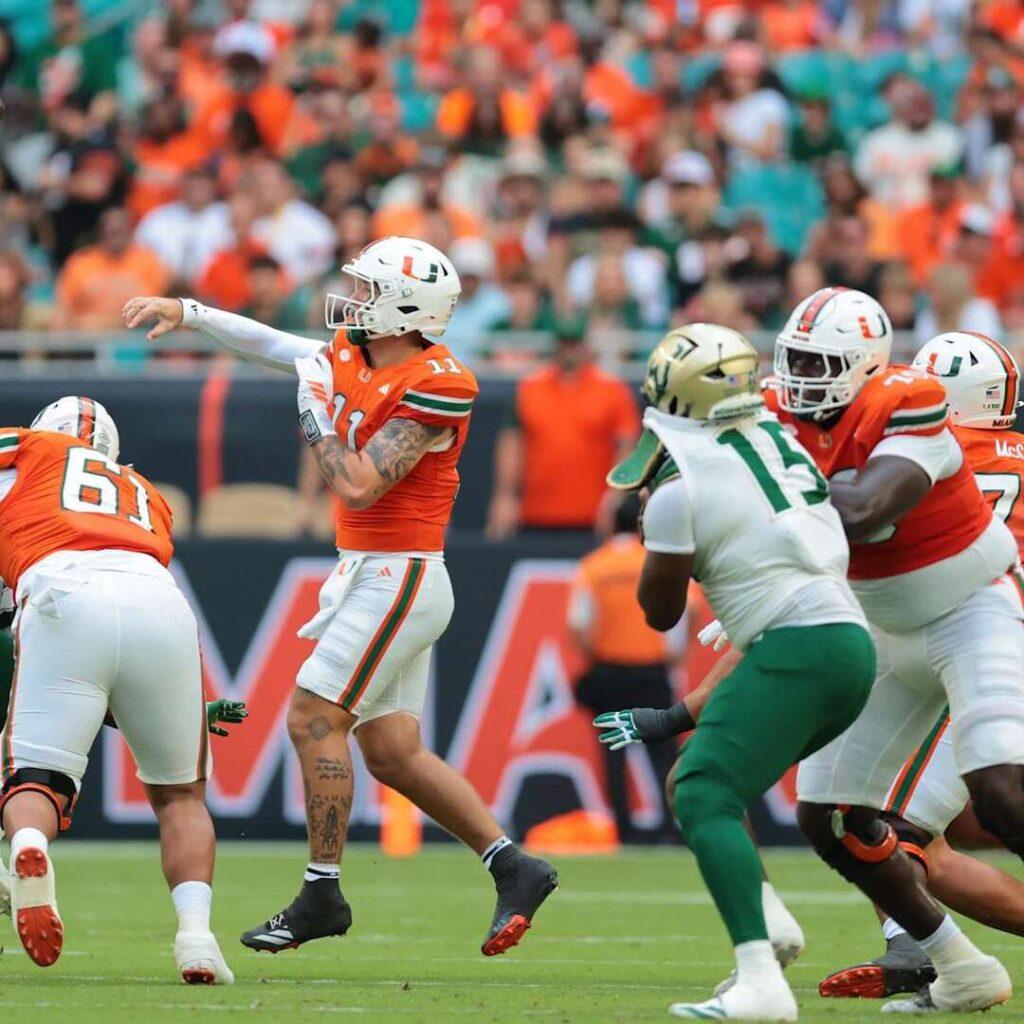
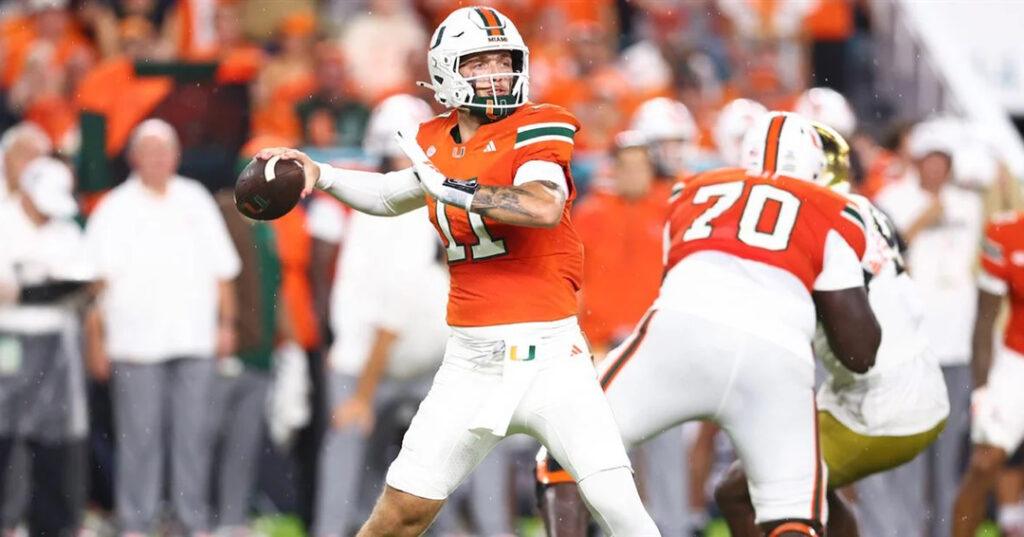
In contrast, the Miami Hurricanes have traditionally favored a more structured approach to quarterback play. Their system emphasizes timing, accuracy, and disciplined execution within the pocket.
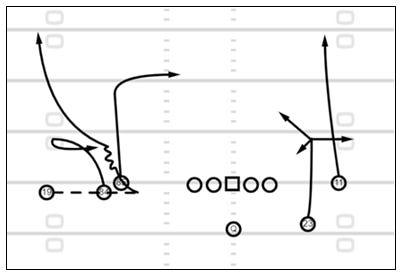
Miami quarterbacks are often tasked with reading defenses quickly and delivering precise throws. The offense is built around rhythm, with an emphasis on route timing and strategic progression through reads.
This approach allows for a more controlled and efficient passing game. Quarterbacks operating in this system are typically known for their mechanics, arm strength, and ability to execute under pressure.
While mobility is still valuable, it is not the primary focus. Instead, the emphasis is on consistency and the ability to manage the game effectively from within the pocket.
Key Differences in Offensive Philosophy
The contrast between these two programs becomes most evident when examining their offensive philosophies. Florida’s system thrives on adaptability and movement, while Miami’s approach prioritizes structure and predictability.
For Florida, the quarterback is a playmaker who can change the outcome of a play through athleticism and creativity. For Miami, the quarterback is a decision-maker who executes a well-defined plan with precision.
These differences influence everything from play-calling to player recruitment. Each program seeks quarterbacks who fit its specific identity, resulting in distinct styles of play on the field
Head-to-Head Differences
| Category         | Florida Gators QB     | Miami Hurricanes QB    |
| ---------------- | --------------------  | ---------------------- |
| Play Style       | Dual-threat           | Pocket passer          |
| Mobility         | High                  | Moderate/Low           |
| Passing Style    | Play-action, improve  | Structured, timing     |
| Big Play Ability | Runs + scrambles      | Deep passes            |
| System Fit       | Spread offense        | Pro-style offense      |
Impact on Game Strategy and Performance
The style of quarterback play directly affects how each team approaches games. Florida’s dual-threat approach often leads to high-variance outcomes, with the potential for big plays as well as occasional mistakes.
Miami’s structured system, on the other hand, tends to produce more consistent results. The focus on execution and timing reduces risk but may limit spontaneity.
Defenses must prepare differently for each style. Facing a Florida quarterback requires accounting for mobility and improvisation, while preparing for Miami involves anticipating precise routes and disciplined execution.
Strengths and Limitations of Each Approach
Both styles offer unique advantages. Florida’s approach creates opportunities for explosive plays and keeps defenses off balance. It allows quarterbacks to rely on their athleticism when plays break down.
Miami’s system excels in efficiency and control. Quarterbacks are trained to make quick decisions and deliver accurate passes, which can be particularly effective in high-pressure situations.
However, each approach also has its limitations. Florida’s reliance on mobility can lead to inconsistencies in the passing game, while Miami’s structured system may struggle when plays break down or when facing unpredictable defensive schemes.
The Role of Coaching and Development
Coaching plays a crucial role in shaping these differences. The systems implemented by each program reflect the philosophies of their coaching staff, influencing how quarterbacks are trained and utilized.
Development programs focus on enhancing the skills that align with each team’s identity. For Florida, this means improving athleticism and decision-making in dynamic situations. For Miami, it involves refining mechanics, reading defenses, and maintaining consistency.
These developmental paths contribute to the distinct identities of each program’s quarterbacks.
What This Means for the Future
As college football continues to evolve, the line between these two styles may begin to blur. Many programs are adopting hybrid approaches that combine mobility with structured passing.
However, the fundamental differences between Florida and Miami remain a defining feature of their identities. Each program continues to build around its strengths, creating a unique brand of football.
For fans and analysts, this contrast adds depth to the game. It highlights the diversity of strategies and the importance of adapting to different styles.
Final Thoughts
The comparison between Florida Gators and Miami Hurricanes quarterbacks is more than just a discussion of individual players it’s a reflection of two distinct philosophies within college football.
Florida’s dynamic, dual-threat approach emphasizes versatility and unpredictability, while Miami’s structured system focuses on precision and control. Both styles have proven effective in different contexts, showcasing the variety that makes the sport so compelling.
As the game continues to change, these differences will remain a key part of what defines each program. And for those watching closely, they offer a fascinating look at how strategy, talent, and identity come together on the field.